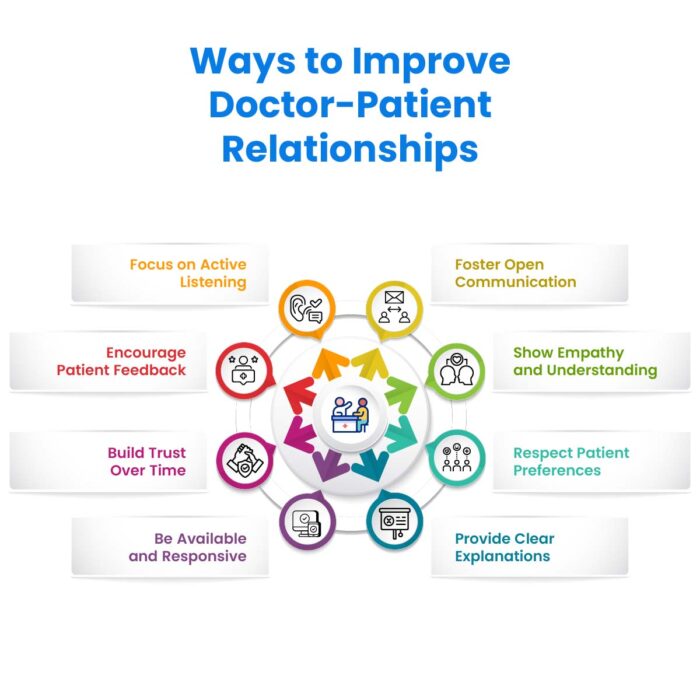
The doctor-patient relationship remains the foundation of healthcare. No matter how advanced technology becomes, no matter how sophisticated diagnostics grow, and no matter how streamlined practice management software evolves, patient trust and communication remain the central drivers of clinical outcomes and long-term practice success. In 2026, however, the dynamics of the doctor-patient relationship have changed dramatically. Patients expect transparency, digital convenience, faster communication, and personalized care. Providers face increasing administrative burden, tighter schedules, compliance pressure, and burnout. The intersection of these realities makes strengthening the doctor-patient relationship both more challenging and more critical than ever. For medical practices looking to grow, retain patients, and improve financial performance, improving the doctor-patient relationship is not simply a soft skill initiative. It is a strategic business imperative. Practices that prioritize communication, workflow efficiency, digital engagement, and structured documentation often see higher patient satisfaction, improved retention, stronger referrals, and better revenue cycle outcomes. This comprehensive guide explains practical, modern strategies to improve doctor-patient relationships and shows how the right EHR, EMR, and practice management software can directly support stronger patient trust and engagement.
Why the Doctor-Patient Relationship Matters More Than Ever in 2026
Healthcare is increasingly competitive. Independent medical practices compete not only with other clinics but also with urgent care chains, retail clinics, telemedicine platforms, and large healthcare systems. In this environment, patient loyalty cannot be assumed. It must be earned. A strong doctor-patient relationship leads to better clinical adherence, improved treatment compliance, reduced no-show rates, stronger word-of-mouth referrals, and higher patient retention. It also reduces medico-legal risk because patients who trust their provider are less likely to escalate misunderstandings into disputes. From a business perspective, patient retention is significantly more cost-effective than new patient acquisition. Practices that improve relationships naturally stabilize revenue. Furthermore, patients increasingly leave online reviews that influence new patient decisions. Positive experiences driven by strong communication and efficient workflows lead to better reviews and improved digital reputation. The modern doctor-patient relationship is not limited to the exam room. It extends into scheduling workflows, digital intake, telehealth interactions, patient portals, billing communication, follow-up messages, and care coordination. Therefore, improving relationships requires both human communication skills and operational efficiency supported by modern healthcare technology.
1. Improve Communication Through Active Listening
The most fundamental way to improve the doctor-patient relationship is active listening. Patients want to feel heard. In fast-paced outpatient environments, providers often interrupt within seconds of the patient beginning their explanation. Studies consistently show that when patients feel rushed or dismissed, trust declines. Active listening includes allowing the patient to explain symptoms without immediate interruption, maintaining eye contact, summarizing what the patient has shared, and clarifying concerns before moving to diagnosis. Simple practices such as repeating key concerns, validating symptoms, and acknowledging emotional impact can significantly improve rapport. Technology should support—not interfere with—this process. Modern EHR systems that streamline charting reduce screen time and allow providers to focus more on patients rather than clicking through fields. Practices using optimized templates and digital intake forms reduce documentation burden during the visit, creating more face-to-face engagement.
2. Reduce Wait Times Through Better Scheduling Workflows
Long wait times are one of the most common patient complaints. Patients often interpret long delays as lack of respect for their time. Improving scheduling accuracy is one of the most effective operational strategies to improve relationships. Practice management software that allows structured appointment types, time-slot optimization, provider availability settings, and automated reminders helps reduce scheduling bottlenecks. Digital intake forms completed before arrival shorten check-in time and reduce waiting room delays. When a clinic uses modern EHR and scheduling tools to keep visits running on time, patients perceive professionalism and reliability. Efficient scheduling builds trust even before the clinical conversation begins.
3. Personalize the Patient Experience Using Structured Documentation
Patients appreciate when providers remember details about their history, preferences, and previous concerns. Personalized care builds loyalty. A well-structured EHR allows providers to quickly review past notes, chronic conditions, medication history, allergies, and prior discussions. Problem lists and structured SOAP notes help providers recall context efficiently. When documentation is organized and searchable, providers can reference previous conversations, follow up on prior plans, and demonstrate continuity of care. This improves the perception of attentiveness. EHR systems that support patient tagging, reminders, and follow-up tracking help clinics personalize care at scale.
4. Enhance Transparency in Treatment Plans and Billing
Patients want clarity regarding diagnoses, treatment plans, and financial responsibility. Clear explanations reduce anxiety and build trust. During visits, providers should explain reasoning behind diagnostic tests, medications, and follow-up steps. Providing printed or portal-based visit summaries helps reinforce understanding. Modern EHR systems can generate structured after-visit summaries that outline key instructions. On the financial side, integrated practice management software can provide upfront cost clarity, eligibility verification, and digital billing statements. Transparent billing communication reduces frustration and strengthens trust. Patients are more likely to remain loyal when they feel informed.
5. Use Patient Portals to Strengthen Ongoing Communication
The doctor-patient relationship does not end after the visit. Patient portals play a major role in maintaining communication. Secure messaging, lab result access, prescription refill requests, appointment scheduling, and follow-up instructions enhance continuity. Patients increasingly expect digital access. A strong patient portal improves engagement and reduces phone calls, benefiting both patients and staff. Clinics that use EHR-integrated portals create smoother communication workflows. Quick response times through portal messaging strengthen trust and patient satisfaction. Portal communication also supports chronic disease management and preventive care reminders.
6. Improve Follow-Up Consistency with Automated Workflows
One of the biggest relationship gaps occurs when follow-up instructions are not reinforced. Patients may forget to schedule labs, imaging, or follow-up appointments. Automated reminders through EHR and practice management systems ensure patients stay engaged. Automated SMS reminders for follow-ups, vaccination recalls, annual wellness visits, and chronic care check-ins demonstrate attentiveness. Consistent follow-up strengthens patient perception that the clinic cares beyond the single visit. This proactive approach significantly improves relationship quality.
7. Leverage Telehealth to Increase Access and Convenience
Telemedicine has transformed accessibility. Patients appreciate flexible visit options, especially for follow-ups, chronic condition management, behavioral health sessions, and minor acute complaints. Telehealth reduces travel time, childcare barriers, and missed work. EHR systems with integrated telemedicine workflows improve documentation and scheduling efficiency. Offering hybrid care models enhances relationship continuity. Patients who can reach their provider conveniently feel more supported and valued.
8. Improve Documentation Efficiency to Increase Face-to-Face Time
One of the most significant barriers to strong doctor-patient relationships is screen distraction. When providers spend excessive time typing or clicking, patient engagement suffers. Faster charting improves eye contact and communication flow. Customizable templates, macros, digital intake forms, and structured workflows reduce documentation time. Integrated EHR and practice management systems eliminate duplicate entry, freeing providers to focus on conversation. Efficient charting directly improves patient perception of attention and care quality.
9. Foster Empathy Through Structured Communication Training
Empathy is not only innate; it can be reinforced through training. Clinics should provide communication training focused on patient-centered interviewing, cultural competence, and difficult conversation handling. Structured communication improves outcomes in sensitive scenarios such as chronic illness, mental health, weight management, and end-of-life discussions. When supported by efficient EHR workflows, providers can devote emotional attention rather than administrative multitasking.
10. Use Data and Reporting to Improve Patient Experience
Modern EHR systems provide analytics on appointment patterns, no-show rates, patient retention, and communication metrics. Practices can identify trends and improve processes accordingly. For example, if no-show rates are high, adjusting reminder timing may help. If follow-up compliance is low, automated messaging can be optimized. Data-driven practice management improves both operations and patient relationships.
11. Improve Accessibility Through Multi-Channel Communication
Patients communicate differently. Some prefer phone calls, others text messages, others portal messages. Modern practice management systems support multi-channel communication strategies. Automated SMS reminders, email confirmations, and secure portal messaging ensure broader reach. Flexible communication strengthens patient engagement and satisfaction.
12. Build Trust Through Consistency and Reliability
Trust grows through predictable experiences. Consistent check-in workflows, timely appointment reminders, clear documentation, prompt follow-ups, and accurate billing create reliability. EHR and practice management systems standardize these processes. When patients experience consistent communication and timely responses, trust deepens.
13. Strengthen the Relationship Through Team-Based Care
The doctor-patient relationship is influenced by the entire team. Front-desk interactions, billing communication, nursing staff engagement, and portal responsiveness all shape perception. Practice management software improves coordination across team roles. Shared dashboards, task management, and structured workflows ensure consistent messaging. When the entire team is aligned, patient confidence increases.
14. Improve Online Reputation Through Positive Patient Experiences
Patient satisfaction translates into online reviews. Practices with strong relationships often receive positive reviews, improving SEO and digital visibility. EHR and practice management systems indirectly support this by improving operational efficiency and communication quality. A well-managed patient experience generates organic marketing growth.
15. Support Long-Term Relationships Through Preventive Care and Chronic Management
Preventive care reminders, vaccination tracking, chronic disease monitoring, and care plan documentation reinforce continuity. EHR systems that track preventive measures and chronic metrics allow proactive outreach. This shows patients that their provider is invested in long-term health, not just episodic visits.
How EHR and Practice Management Software Directly Improve Doctor-Patient Relationships
Technology plays a significant role in relationship quality. The right EHR/EMR and practice management system supports faster documentation, better scheduling, automated reminders, secure communication, integrated billing, telehealth, and analytics. By reducing administrative friction, providers can focus more on meaningful patient interactions. Integrated systems prevent workflow fragmentation. When scheduling, documentation, billing, telehealth, and portal communication operate in one ecosystem, patients experience smoother care. In 2026, modern cloud-based EHR systems are designed to enhance—not hinder—the doctor-patient relationship.
Why Medical Practices Should Evaluate EHR Software Based on Patient Experience Impact
When selecting EHR and practice management software, clinics often focus on features and price. However, patient experience impact should be a major evaluation factor. Does the system reduce charting burden? Does it support automated reminders? Does it offer an intuitive patient portal? Does it support telehealth seamlessly? Does it streamline billing communication? These elements directly affect how patients perceive the practice.
Final Thoughts: The Doctor-Patient Relationship Is the Core of Practice Growth
In 2026, medical practices that prioritize doctor-patient relationships outperform competitors in retention, referrals, compliance, and profitability. Strong relationships require communication, empathy, operational efficiency, and digital support. EHR and practice management systems are not just administrative tools—they are relationship enablers. By improving workflows, reducing documentation burden, automating communication, and supporting transparency, modern EHR systems help providers focus on what matters most: meaningful patient care. Practices that align technology with human-centered care will thrive in the evolving healthcare landscape.
To see how DocVilla can optimize your Medical Practice documentation and billing, schedule a free demo today.