Key Takeaways
- Patient access to EHR notes enhances transparency and improves communication between patients and healthcare providers.
- This access empowers patients by helping them manage chronic conditions more effectively through informed participation.
- The movement toward open clinical notes fosters trust and supports better decision-making in healthcare.
- Digital patient portals allow easy access to clinical information, improving overall patient engagement and medication adherence.
- Regulatory support for patient access reflects a shift towards patient-centered care in modern healthcare systems.
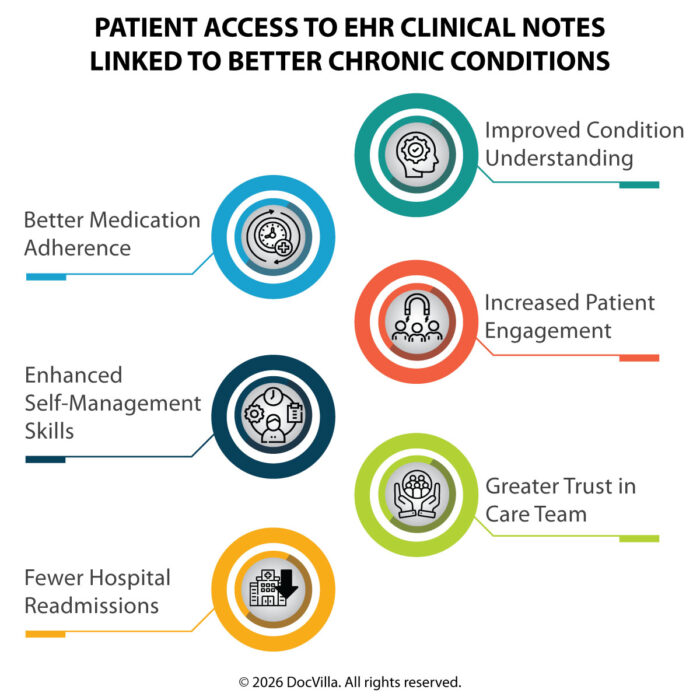
Healthcare has been undergoing a major transformation as digital technologies reshape how information flows between providers and patients. One of the most impactful changes in recent years has been the expansion of patient access to Electronic Health Record (EHR) clinical notes. Traditionally, clinical notes were primarily used by physicians and healthcare staff as documentation of diagnoses, treatment decisions, and patient interactions. Patients rarely had direct access to these notes, and medical records were often difficult to obtain. However, modern healthcare policy, patient engagement initiatives, and advances in EHR technology have dramatically changed this landscape. Today, many healthcare systems provide patients with direct digital access to their clinical notes through patient portals and integrated healthcare platforms. This increased transparency has been linked to improved patient engagement, better chronic disease management, improved medication adherence, and stronger communication between patients and healthcare providers. As chronic conditions such as diabetes, hypertension, cardiovascular disease, and asthma continue to affect millions of people worldwide, patient access to clinical information has become a powerful tool for improving long-term health outcomes. For medical practices adopting modern EHR, EMR, and practice management software, enabling patient access to clinical notes is not only a regulatory expectation but also an opportunity to improve care coordination and strengthen the physician–patient relationship.
The Growing Importance of Patient Engagement in Healthcare
Healthcare has historically followed a provider-centered model in which physicians made most treatment decisions while patients played a relatively passive role. While clinical expertise remains central to medical care, modern healthcare increasingly emphasizes patient engagement and shared decision-making. Patients who understand their diagnoses, treatment plans, and health data are more likely to actively participate in their care. This participation can include following medication instructions, attending follow-up appointments, monitoring symptoms, and making lifestyle adjustments.
Patient engagement is particularly important in the management of chronic conditions. Chronic diseases often require long-term treatment strategies and consistent patient involvement. Conditions such as diabetes, hypertension, and heart disease require patients to monitor symptoms, adjust diet and exercise habits, and follow medication regimens carefully. When patients have access to clear information about their health status and treatment plans, they are better equipped to manage these conditions effectively.
What Are EHR Clinical Notes?
Clinical notes are detailed records created by healthcare providers during patient encounters. These notes document important information about the patient’s health status, including symptoms, diagnoses, treatment decisions, medications, lab results, and follow-up recommendations. Many physicians structure clinical notes using standardized documentation formats such as SOAP notes (Subjective, Objective, Assessment, and Plan). Clinical notes provide a comprehensive narrative of the patient’s medical history and ongoing care.
In the past, these notes were primarily used for internal documentation and communication among healthcare professionals. Accessing medical records often required submitting formal requests and waiting for paper copies. With the adoption of electronic health records, clinical documentation became digital, allowing for faster storage, retrieval, and sharing of information. Modern patient portals now allow patients to view these clinical notes directly.
The Movement Toward Open Clinical Notes
The concept of allowing patients to view their clinical notes is often referred to as “open notes.” This movement emerged from the recognition that transparency can strengthen trust and improve patient understanding of their health conditions. When patients are able to read the notes written by their physicians, they gain insights into diagnoses, treatment reasoning, and care plans.
Open notes initiatives have demonstrated that patients appreciate having access to this information. Many patients report feeling more informed and confident in managing their health when they can review clinical notes after a visit. They can revisit the physician’s recommendations, clarify details they may have missed during the appointment, and share information with caregivers or family members.
Chronic Disease Management and Information Access
Chronic diseases represent one of the largest challenges facing healthcare systems worldwide. Managing these conditions requires consistent monitoring, long-term medication adherence, and ongoing lifestyle changes. Patient access to clinical notes supports this process by reinforcing the information discussed during appointments.
For example, a patient with diabetes may need to follow specific dietary guidelines, monitor blood glucose levels, and take medications regularly. Access to clinical notes allows the patient to review the physician’s recommendations regarding medication adjustments, lab results, and follow-up plans. This reinforcement improves the likelihood that the patient will follow the recommended treatment strategy.
Similarly, patients with hypertension benefit from reviewing clinical notes that document blood pressure readings, medication instructions, and lifestyle recommendations. Having access to this information helps patients track their progress and remain engaged in managing their condition.
Improved Medication Adherence
Medication adherence is one of the most critical factors in successful chronic disease management. Many patients struggle to follow medication instructions consistently due to confusion about dosages, side effects, or treatment duration. Access to clinical notes provides patients with a clear reference point for medication instructions provided during appointments.
When patients can review medication recommendations in their clinical notes, they are less likely to misunderstand dosage instructions or forget key details. They can also identify potential questions about medications and communicate with their healthcare provider through patient portal messaging systems. Improved understanding leads to higher adherence rates and better treatment outcomes.
Strengthening Physician–Patient Communication
One of the most important benefits of patient access to clinical notes is improved communication between physicians and patients. Medical appointments can sometimes feel rushed, and patients may not remember every detail discussed during the visit. By reviewing clinical notes afterward, patients can revisit the physician’s explanations and recommendations.
Access to clinical notes also allows patients to identify potential errors or misunderstandings. For example, a patient may notice an incorrect medication listed in the record or clarify a detail about their medical history. This collaborative approach helps ensure that medical records remain accurate and up to date.
Communication improvements extend beyond the clinic visit. Patient portals integrated with EHR systems allow patients to ask follow-up questions related to their clinical notes. This ongoing communication fosters a stronger partnership between patients and providers.
Transparency and Trust in Healthcare
Transparency plays a critical role in building trust between healthcare providers and patients. When patients have access to their clinical notes, they gain insight into how physicians evaluate their health conditions and make treatment decisions. This transparency helps patients feel respected and included in the decision-making process.
Trust is particularly important in managing chronic conditions, where patients must maintain long-term relationships with their healthcare providers. Patients who trust their providers are more likely to follow treatment plans, attend follow-up appointments, and communicate openly about symptoms or concerns.
Enhancing Care Coordination Across Multiple Providers
Many patients with chronic conditions receive care from multiple healthcare providers, including primary care physicians, specialists, and allied health professionals. Access to clinical notes allows patients to share relevant information across different providers. For example, a patient visiting a specialist can review notes from previous visits with their primary care physician.
This improved coordination helps ensure that all providers involved in a patient’s care have access to consistent information. It reduces duplication of tests and improves alignment in treatment plans.
Supporting Caregivers and Family Members
Chronic disease management often involves caregivers or family members who assist patients with daily care routines. Access to clinical notes allows patients to share important information with trusted individuals who support their care. Caregivers can review medication instructions, monitor treatment progress, and help ensure that follow-up appointments are scheduled appropriately.
This collaborative approach improves continuity of care and ensures that patients receive the support they need outside of clinical settings.
Digital Patient Portals and Information Accessibility
Patient portals are secure online platforms connected to EHR systems that allow patients to access their health information. Through these portals, patients can view clinical notes, lab results, medication lists, and appointment schedules. They can also communicate with healthcare providers through secure messaging.
Patient portals provide a convenient way for patients to stay informed about their health status. Mobile accessibility ensures that patients can access information from smartphones or tablets, making it easier to monitor health data and follow treatment recommendations.
The Role of Technology in Empowering Patients
Technology has transformed how patients interact with healthcare systems. Digital platforms provide tools that empower patients to take an active role in managing their health. Remote monitoring devices, mobile health applications, and digital educational resources complement patient access to clinical notes.
For example, a patient with hypertension may use a home blood pressure monitor and log readings in a mobile application connected to their EHR system. Clinical notes documenting treatment plans can guide patients in interpreting these readings and adjusting lifestyle habits accordingly.
Addressing Potential Concerns About Open Clinical Notes
While patient access to clinical notes offers many benefits, some healthcare providers initially expressed concerns about potential misunderstandings. Medical terminology can be complex, and patients may misinterpret certain phrases without proper context. However, experience has shown that these concerns are generally manageable.
Clear documentation practices and patient education can help address potential confusion. Many EHR systems allow providers to include explanatory notes or educational materials alongside clinical documentation. Over time, patients become more familiar with medical terminology and gain confidence in understanding their records.
Compliance and Regulatory Support for Patient Access
Healthcare regulations increasingly emphasize the importance of patient access to health information. Policies supporting interoperability and patient rights encourage healthcare organizations to provide digital access to medical records. These initiatives aim to empower patients and improve healthcare transparency.
Compliance with these regulations requires healthcare providers to implement secure systems that allow patients to access their information while maintaining data privacy. Modern EHR platforms are designed to support these requirements through secure patient portal access and authentication protocols.
Cybersecurity and Data Protection
While expanding patient access to clinical notes improves transparency, protecting patient data remains a top priority. Secure EHR systems must implement encryption, access controls, and authentication measures to ensure that sensitive information remains protected. Patient portals use secure login protocols and encryption technologies to prevent unauthorized access.
Healthcare organizations must balance accessibility with security by implementing strong cybersecurity practices. Staff training and regular security audits help maintain data protection standards.
How Integrated EHR Platforms Support Patient Access
Integrated EHR and practice management platforms provide the infrastructure needed to support patient access to clinical notes. When documentation, scheduling, communication, and reporting functions are unified within a single system, patient portals can display comprehensive information efficiently.
These systems allow patients to view clinical notes alongside other important health data such as lab results, medication lists, and upcoming appointments. Integration ensures that patient information remains accurate and synchronized across different components of the healthcare system.
How DocVilla Supports Patient Access to Clinical Notes
DocVilla offers a cloud-based EHR and practice management platform designed to enhance patient engagement through secure digital access to health information. The system includes a patient portal that allows patients to view clinical notes, review medication lists, access lab results, and communicate with their healthcare providers. Secure messaging functionality supports ongoing communication between patients and providers. Integrated workflows ensure that clinical documentation is automatically available through the patient portal while maintaining privacy protections. By providing accessible and transparent health information, DocVilla helps medical practices strengthen patient engagement and support chronic disease management.
Preparing for the Future of Patient-Centered Healthcare
Healthcare is increasingly moving toward patient-centered models in which individuals play a more active role in managing their health. Technology innovations will continue to expand opportunities for patient engagement. Artificial intelligence, predictive analytics, and personalized health insights may soon provide patients with even more tools to understand and manage chronic conditions.
Medical practices that adopt modern EHR platforms with strong patient engagement features will be better positioned to support this evolving model of care. By empowering patients with access to clinical information, practices can improve health outcomes and strengthen long-term relationships with their patients.
Final Thoughts: Access to Clinical Notes Improves Chronic Care
Patient access to EHR clinical notes represents a significant advancement in healthcare transparency and patient empowerment. By allowing patients to review documentation of their diagnoses, treatment plans, and follow-up recommendations, healthcare providers help patients become more informed participants in their care. This increased engagement is particularly beneficial for managing chronic conditions that require long-term treatment strategies and lifestyle adjustments. Integrated EHR and practice management platforms provide the technology infrastructure needed to support secure patient access while maintaining data protection standards. As healthcare continues to evolve, enabling patients to access their clinical notes will remain a powerful strategy for improving communication, strengthening trust, and achieving better long-term health outcomes.
To see how DocVilla can optimize your Medical Practice documentation and billing, schedule a free demo today.