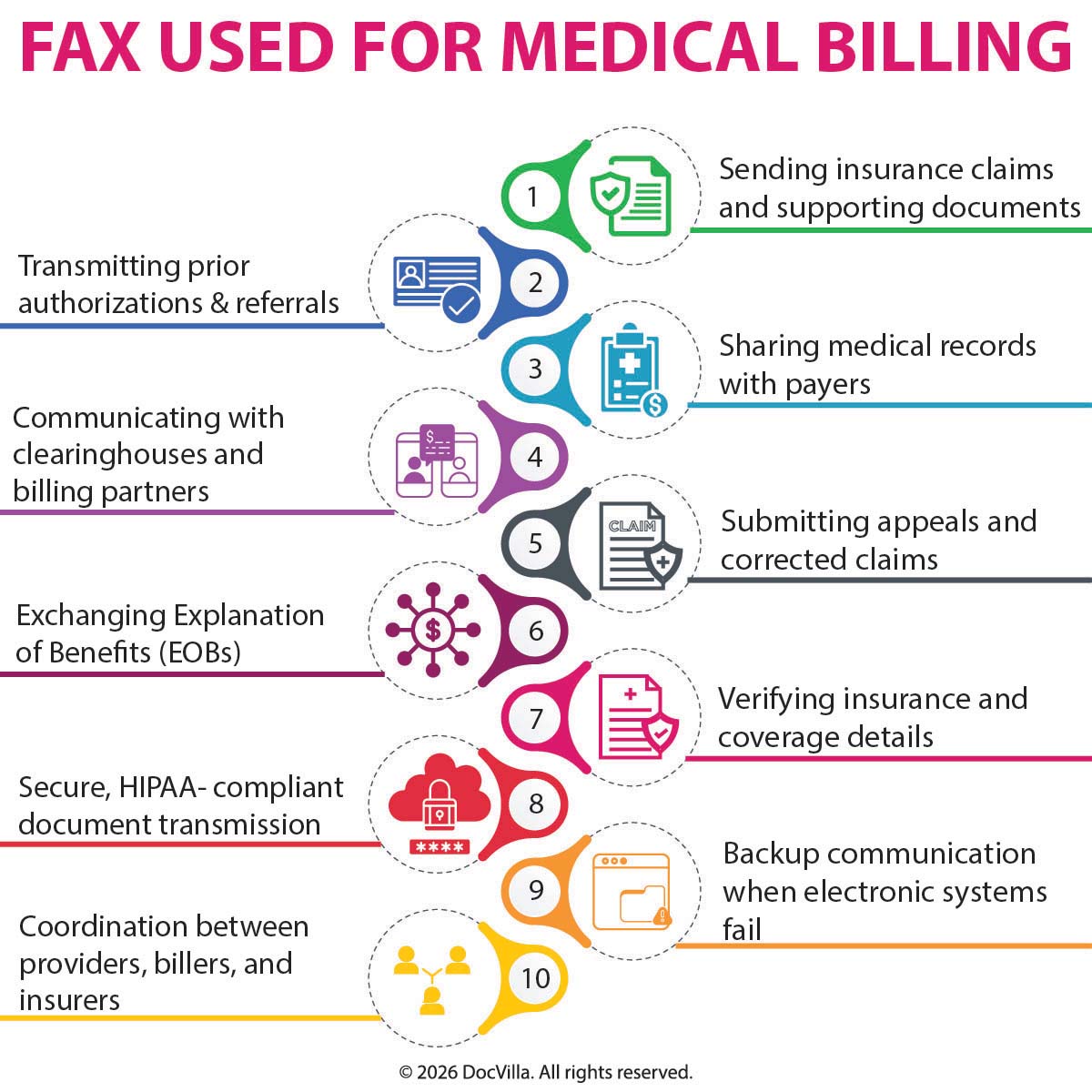
In an era defined by cloud computing, secure messaging platforms, telemedicine, artificial intelligence, and fully integrated Electronic Health Records (EHR), one might assume that fax machines would be obsolete in healthcare. Yet in 2026, fax remains deeply embedded in medical communication and medical billing workflows across the United States. From independent primary care clinics to large multispecialty groups, fax continues to play a central role in transmitting referrals, authorizations, medical records, lab orders, billing documentation, and insurance correspondence. For many healthcare professionals, fax is viewed as outdated and inefficient. However, its continued use is rooted in regulatory realities, interoperability gaps, payer requirements, and workflow habits that have evolved over decades. Understanding why fax persists—and how modern EHR and practice management software integrate electronic fax solutions—is critical for medical practices seeking operational efficiency without disrupting essential communication channels. This comprehensive guide explains why fax remains prevalent, the risks and limitations of traditional faxing, how electronic fax (eFax) modernizes legacy workflows, and why integrated EHR systems must support secure fax communication to ensure seamless operations. … Read More
Author Archives: dv_user
Outsourced Billing vs In-House Billing: Understanding the Costs for Modern Medical Practices in 2026
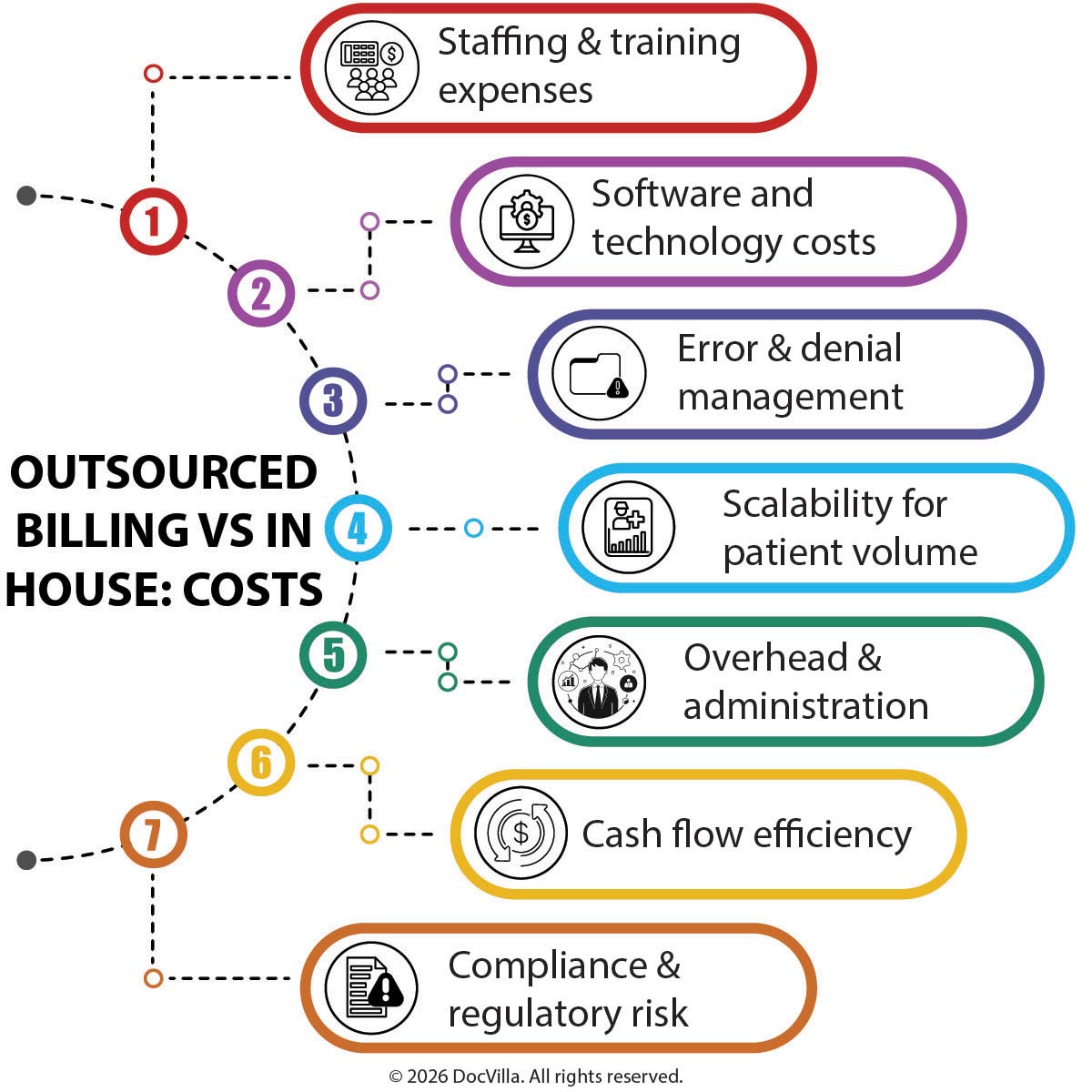
Medical billing is the financial engine of every healthcare practice. No matter how skilled the providers are, no matter how strong patient satisfaction may be, and no matter how advanced clinical workflows appear, revenue ultimately depends on accurate documentation, proper coding, timely claim submission, and effective follow-up. In 2026, billing complexity has increased due to evolving payer rules, telehealth modifiers, value-based care programs, prior authorization requirements, high-deductible health plans, and regulatory oversight. For independent medical practices, one of the most important financial decisions is whether to manage billing in-house or outsource revenue cycle management to a third-party billing company. This decision affects cash flow, overhead costs, operational control, scalability, compliance exposure, and long-term profitability. Many practices underestimate the true cost structure of each option. Some assume outsourcing is automatically more expensive. Others assume in-house billing is more affordable without calculating hidden labor and infrastructure expenses. The reality is more nuanced. This comprehensive guide explores outsourced billing versus in-house billing in depth, explains direct and indirect cost considerations, evaluates operational trade-offs, and highlights how integrated EHR, EMR, and practice management software influences the financial outcome of both models. … Read More
Proper Etiquette Influences Patient Experiences and Outcomes: Why Professional Conduct Matters More Than Ever in Modern Medical Practices
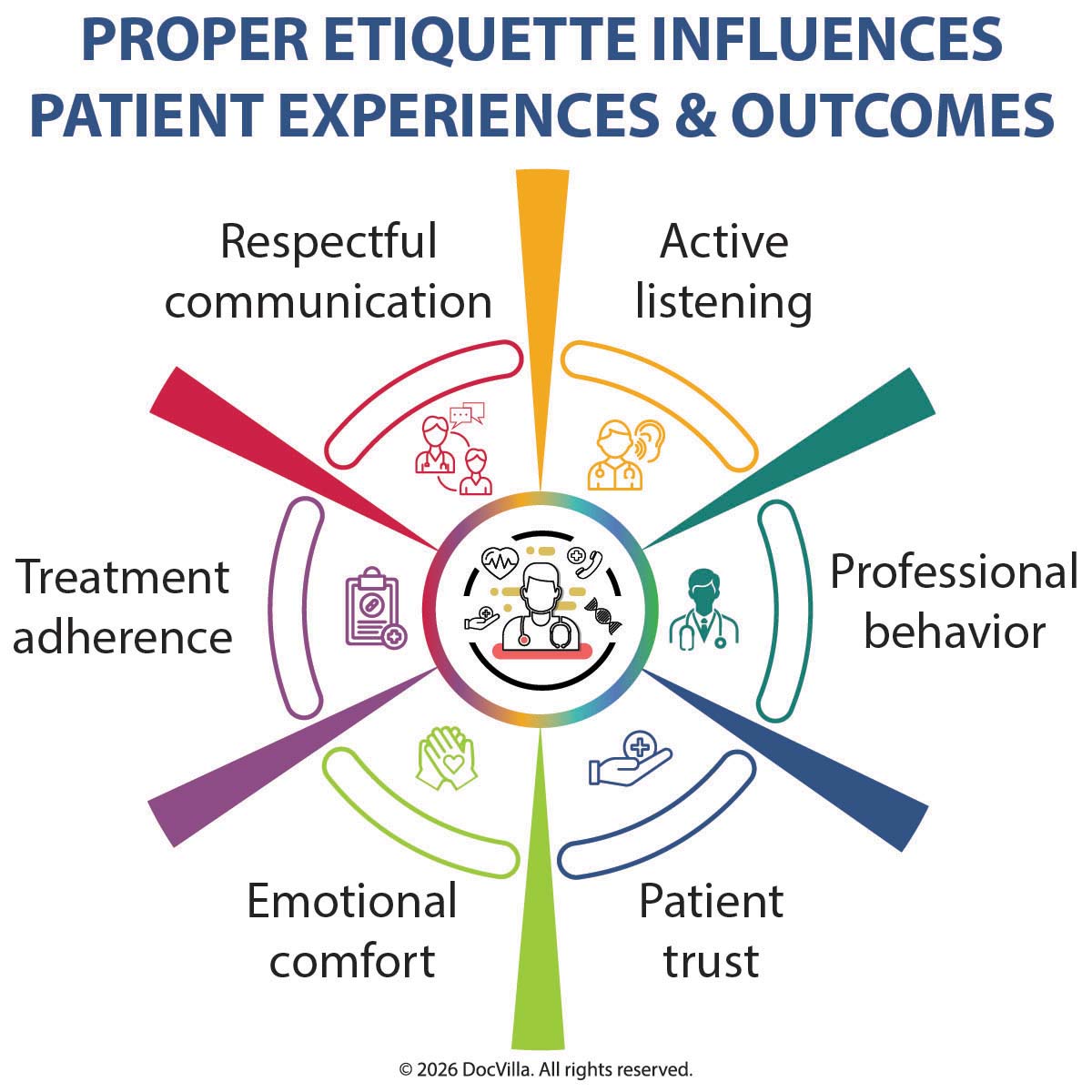
In 2026, healthcare is more technologically advanced, more data-driven, and more efficiency-focused than ever before. Electronic Health Records (EHR), telemedicine platforms, automated scheduling systems, artificial intelligence tools, and integrated practice management software have transformed the operational side of medicine. Yet despite these technological advancements, one factor continues to have an outsized impact on patient experiences and clinical outcomes: proper etiquette. Professional etiquette in healthcare is not simply about politeness or bedside manners. It encompasses communication style, tone, body language, timeliness, respect, confidentiality awareness, cultural sensitivity, digital conduct, and administrative professionalism. Proper etiquette influences patient trust, treatment adherence, satisfaction scores, online reputation, retention rates, malpractice risk, and overall health outcomes. In competitive healthcare markets, especially for independent medical practices, etiquette has become a strategic advantage. When supported by efficient EHR and practice management systems, proper etiquette amplifies operational performance and strengthens patient loyalty. This comprehensive guide explores how etiquette influences patient experiences and outcomes, how it intersects with workflow efficiency, and why medical practices must align professional conduct with modern healthcare technology to achieve sustainable growth. … Read More
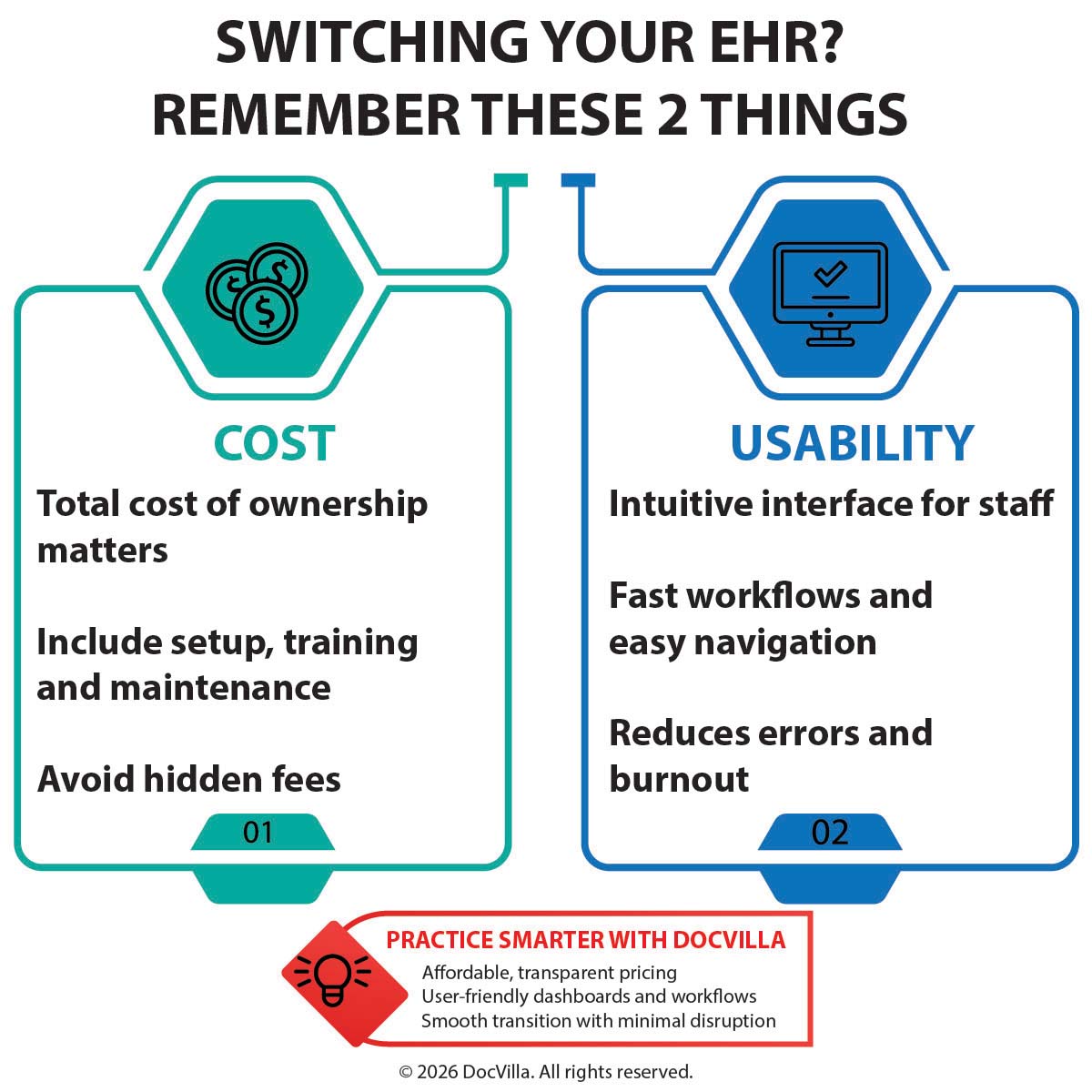
Switching Your EHR? Make Sure You Remember Two Things – Cost and Usability (2026 Guide for Medical Practices)
Switching your Electronic Health Record system is one of the most disruptive yet strategically important decisions a medical practice can make. In 2026, EHR platforms are no longer simple digital charting tools. They are integrated ecosystems that control documentation, scheduling, billing, telehealth, patient engagement, reporting, compliance workflows, and revenue cycle management. When practices outgrow their current EHR or become frustrated with inefficiencies, the instinct is often to search for a “better” system. However, many clinics make the mistake of focusing on feature lists or vendor marketing without fully evaluating two critical variables: cost and usability. Cost determines long-term financial sustainability. Usability determines daily operational efficiency, provider satisfaction, and revenue performance. Together, these two factors shape the true return on investment of an EHR switch. This comprehensive guide explores why practices switch EHR systems, the hidden costs of migration, how usability directly impacts performance, and how medical practices can make a financially sound, usability-driven decision when selecting new EHR, EMR, and practice management software. … Read More
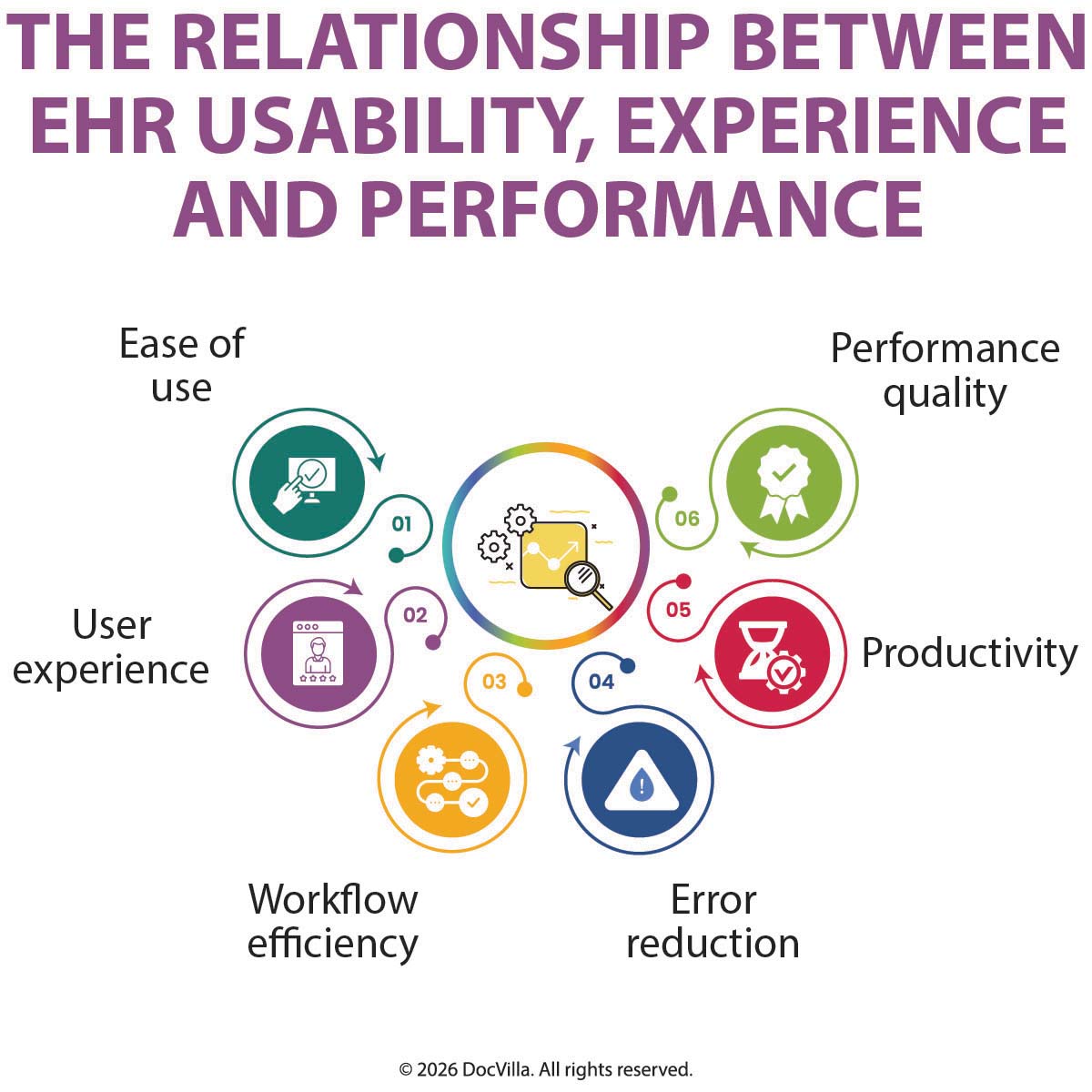
The Relationship Between EHR Usability, Experience, and Performance: Why It Matters for Modern Medical Practices in 2026
Electronic Health Records are no longer optional tools; they are the operational backbone of every modern medical practice. In 2026, the conversation has shifted from whether a clinic should use an EHR to how well that EHR performs in real-world workflows. Increasingly, medical practices are discovering that EHR usability directly impacts clinical efficiency, provider experience, staff productivity, patient satisfaction, revenue cycle performance, and long-term business growth. The relationship between EHR usability, user experience, and practice performance is not theoretical—it is measurable and financially significant. When an EHR is intuitive, fast, and aligned with clinical workflows, providers complete charts faster, billing accuracy improves, no-shows decrease, and staff morale rises. When usability is poor, documentation time increases, burnout accelerates, errors multiply, and revenue suffers. This article explores in depth how EHR usability influences the experience of physicians, nurse practitioners, physician assistants, billing teams, and administrative staff—and how that experience translates into operational performance. For medical practices evaluating EHR, EMR, and practice management software, understanding this relationship is critical to making a strategic technology investment. … Read More
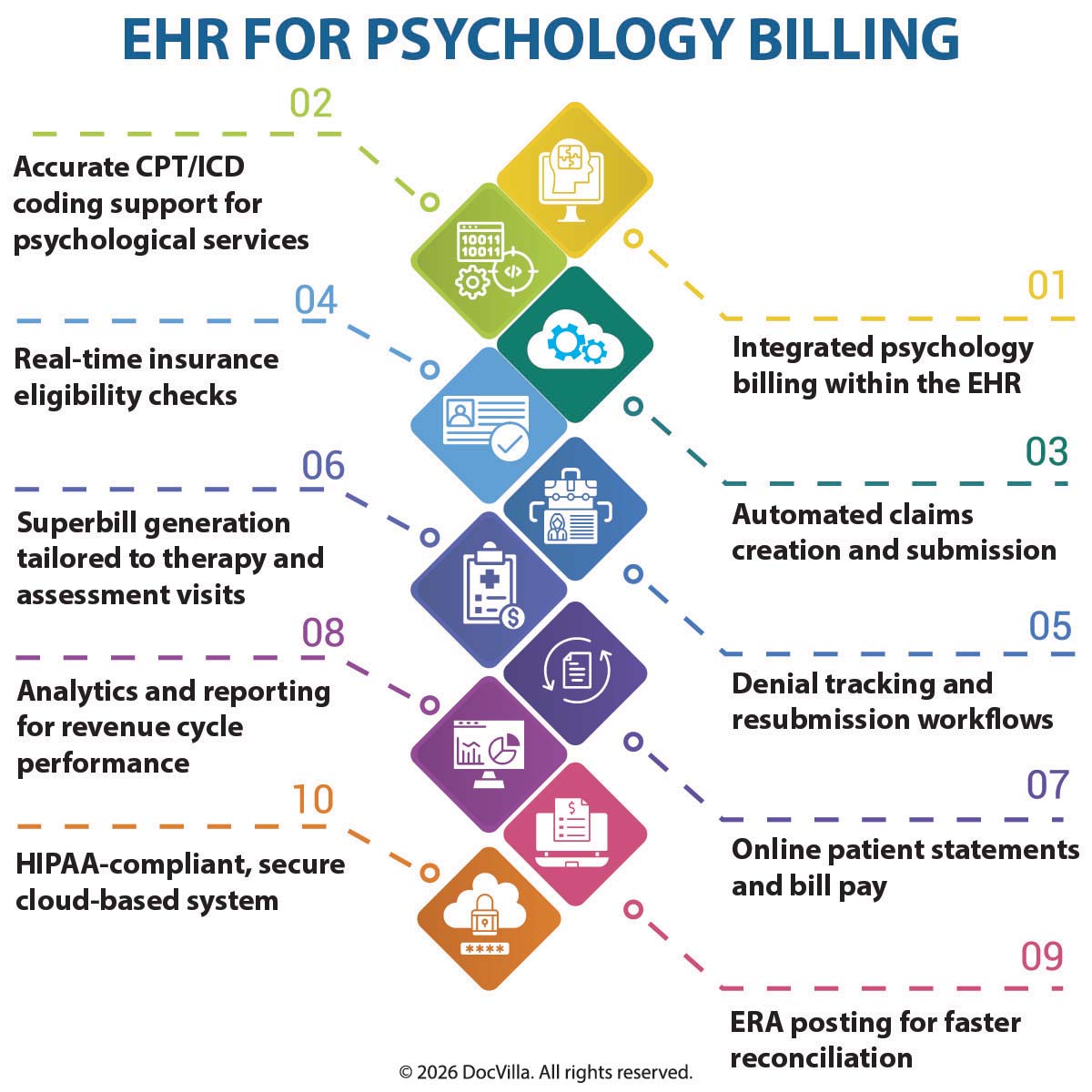
Psychology Billing Services for Streamlined Cash Flow: A 2026 Guide for Behavioral Health Practices
Behavioral health practices face unique financial challenges compared to many other medical specialties. Psychologists, psychiatrists, licensed therapists, and multi-provider behavioral health groups operate in a reimbursement environment that includes complex CPT coding structures, time-based billing, authorization requirements, varying payer rules, and increasingly strict documentation audits. At the same time, many psychology practices operate as small or mid-sized independent clinics, where administrative overhead must be carefully controlled to maintain profitability. In 2026, psychology billing services have become more than just claim submission tools—they are strategic systems that determine cash flow stability, claim approval rates, patient payment collections, and long-term financial sustainability. For behavioral health practices looking to improve revenue cycle performance, understanding how psychology billing services integrate with EHR, EMR, and practice management software is essential. This comprehensive guide explores how psychology billing works, the most common revenue challenges behavioral health practices face, how streamlined billing improves cash flow, and how integrated EHR and practice management platforms support financial success. … Read More
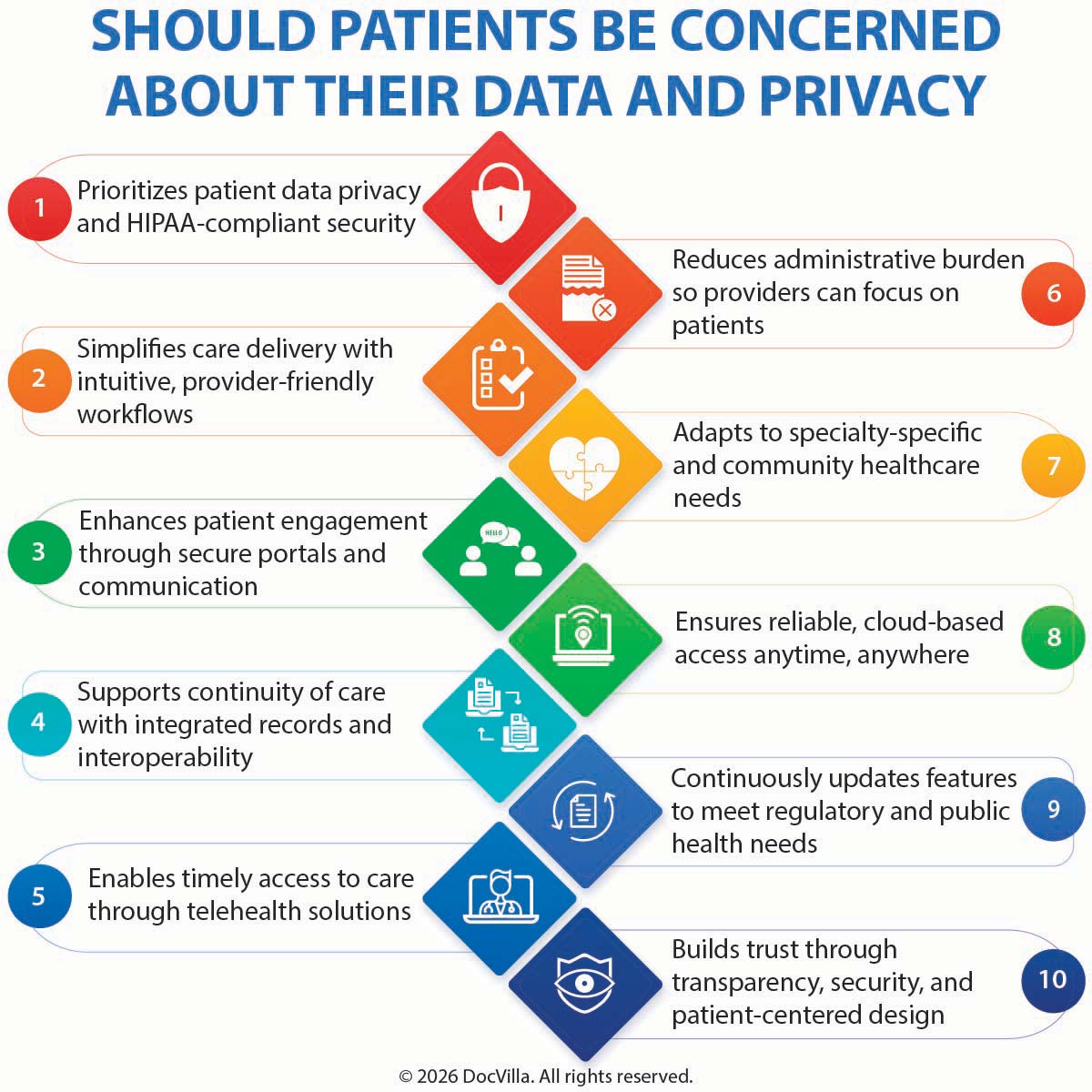
Should Patients Be Concerned About Their Data and Privacy? A 2026 Guide for Modern Medical Practices
Healthcare has become increasingly digital. Medical records are stored electronically. Prescriptions are transmitted electronically. Lab results move through digital interfaces. Telemedicine visits occur over encrypted video platforms. Patients message their doctors through portals. Bills are paid online. In 2026, almost every interaction between a patient and a medical practice leaves a digital footprint. With the rise of cyberattacks, data breaches, ransomware incidents, and identity theft, it is natural for patients to ask an important question: should they be concerned about their healthcare data and privacy? The short answer is that healthcare data is highly sensitive and therefore valuable, which makes it a target. However, the more important answer is that patients should not panic—but they should expect medical practices to use secure, compliant, modern systems to protect their information. For medical practices, this topic is no longer optional. Patient trust is directly tied to data protection practices. Choosing the right EHR, EMR, and practice management software is one of the most critical decisions a clinic can make to safeguard patient privacy while delivering efficient care. This article explores the realities of healthcare data privacy in 2026, the risks patients should understand, the safeguards practices must implement, and how modern cloud-based EHR systems help protect sensitive information. … Read More
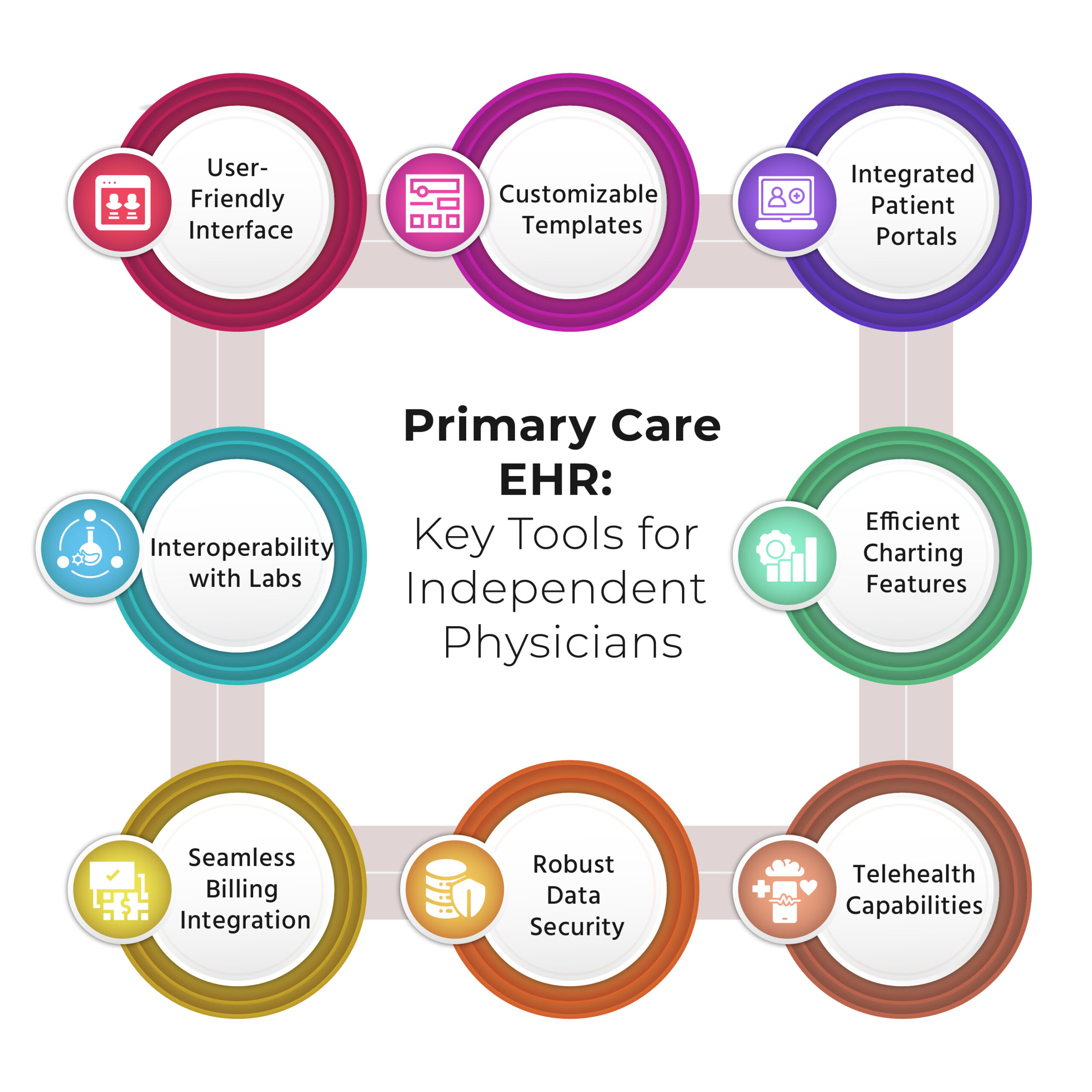
Primary Care EHR EMR: Finding the Right Tools for an Independent Primary Care Physician (2026 Guide)
Independent primary care physicians face a very specific reality in 2026: you are expected to deliver high-quality, relationship-based care while also operating a lean business in a market dominated by large health systems, urgent care chains, retail clinics, and telehealth platforms. Patients want convenience, digital access, and fast communication. Payers want clean documentation, accurate coding, and compliance-ready workflows. Staff is expensive and hard to retain. Meanwhile, physicians want to spend less time clicking and typing and more time caring for patients. In this environment, your EHR is not just “software for charting.” It is the operating system of your practice. It determines how you schedule, document, prescribe, order labs, communicate with patients, collect payments, submit claims, manage follow-ups, and track performance. … Read More
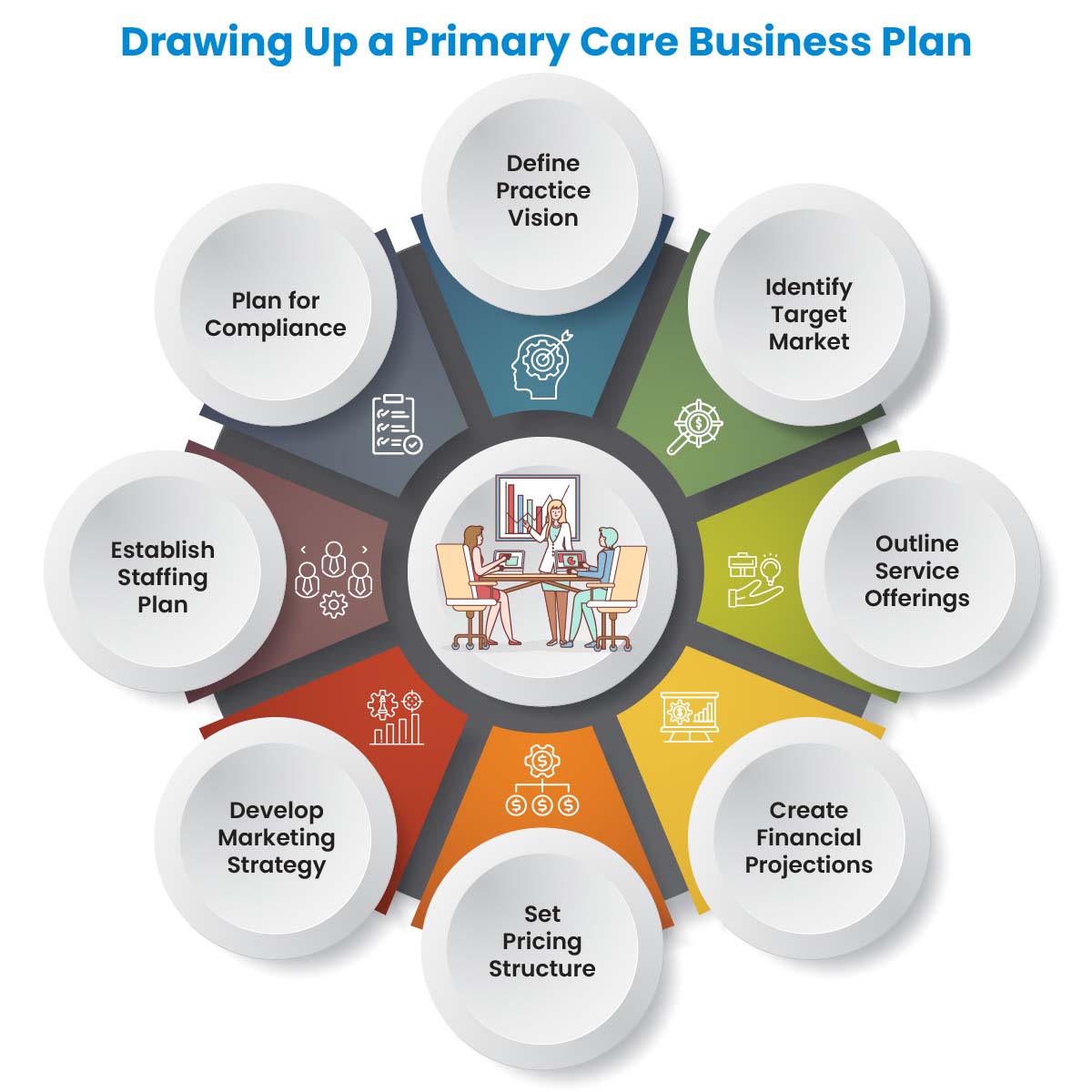
How to Draw Up a Primary Care Business Plan in 2026: Complete Guide for Starting and Scaling a Modern Primary Care Practice
Launching or expanding a primary care practice in 2026 requires more than clinical expertise. It requires strategic planning, financial forecasting, operational design, compliance readiness, marketing execution, and technology selection. Primary care remains the backbone of the healthcare system, but the economics, patient expectations, and regulatory environment have evolved significantly. Independent practices compete with large healthcare systems, retail clinics, urgent care chains, telehealth platforms, and direct primary care models. At the same time, demand for accessible, relationship-based primary care continues to grow. Drawing up a comprehensive primary care business plan is not just a requirement for lenders or investors—it is a roadmap for long-term sustainability … Read More
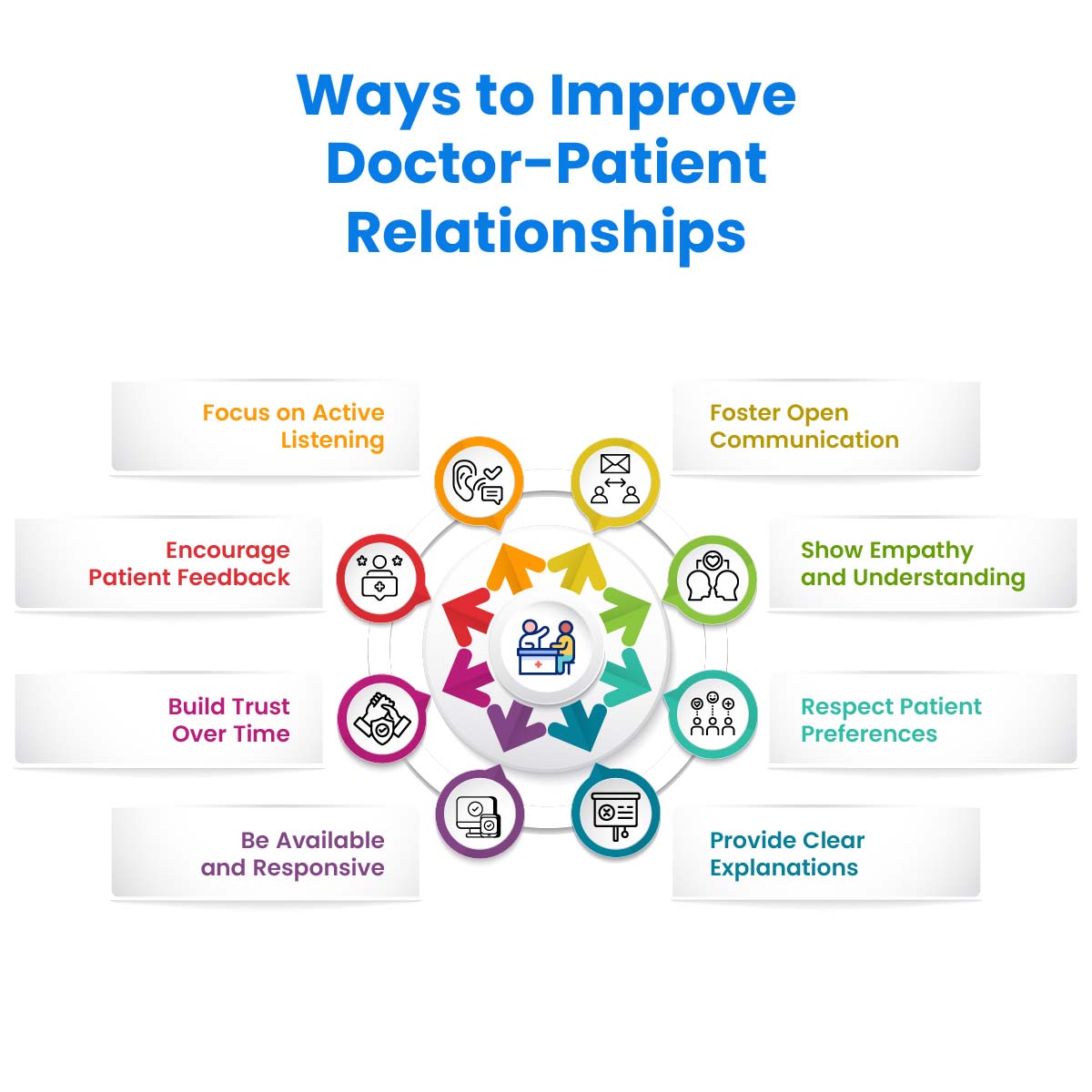
Ways to Improve Doctor-Patient Relationship in 2026: A Complete Guide for Modern Medical Practices
The doctor-patient relationship remains the foundation of healthcare. No matter how advanced technology becomes, no matter how sophisticated diagnostics grow, and no matter how streamlined practice management software evolves, patient trust and communication remain the central drivers of clinical outcomes and long-term practice success. In 2026, however, the dynamics of the doctor-patient relationship have changed dramatically. Patients expect transparency, digital convenience, faster communication, and personalized care. Providers face increasing administrative burden, tighter schedules, compliance pressure, and burnout. The intersection of these realities makes strengthening the doctor-patient relationship both more challenging and more critical than ever. For medical practices looking to grow, retain patients, and improve financial performance, improving the doctor-patient relationship is not simply a soft skill initiative. … Read More