Must-Have Features in the Best EHR EMR Practice Management Software for Nurse Practitioners
Nurse Practitioners should treat the following features as essential when comparing systems.
Cloud-Based Access and Ease of Use
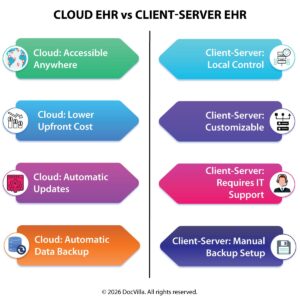
Most NP practices operate with small teams and limited IT support. Cloud-based EHR systems reduce IT overhead, simplify updates, allow access from anywhere, and support telehealth and remote work. Ease of use matters even more for NPs because NP schedules are busy and charting time directly affects quality of life.
Customizable Templates and SOAP Notes
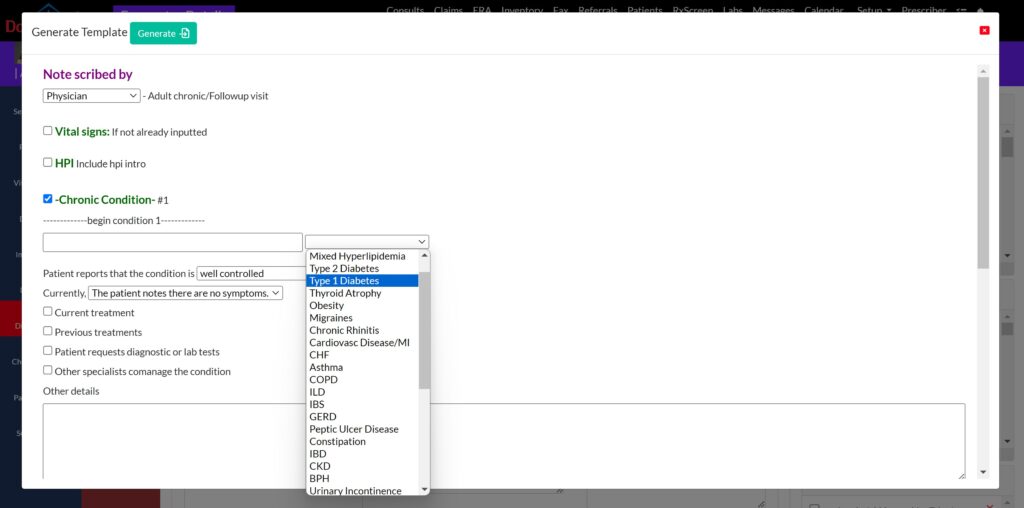
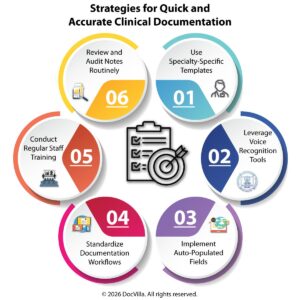
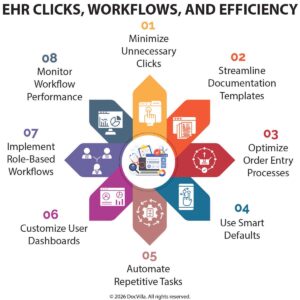
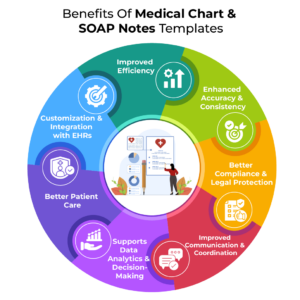
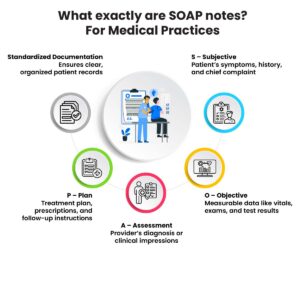
Nurse practitioners rely heavily on SOAP note documentation. The best EHR systems offer customizable templates by visit type and specialty. NPs should look for platforms that support problem-based documentation, quick text macros, structured checkboxes, and reusable plans. A flexible template system can save hours each week.
Integrated Scheduling and Appointment Management
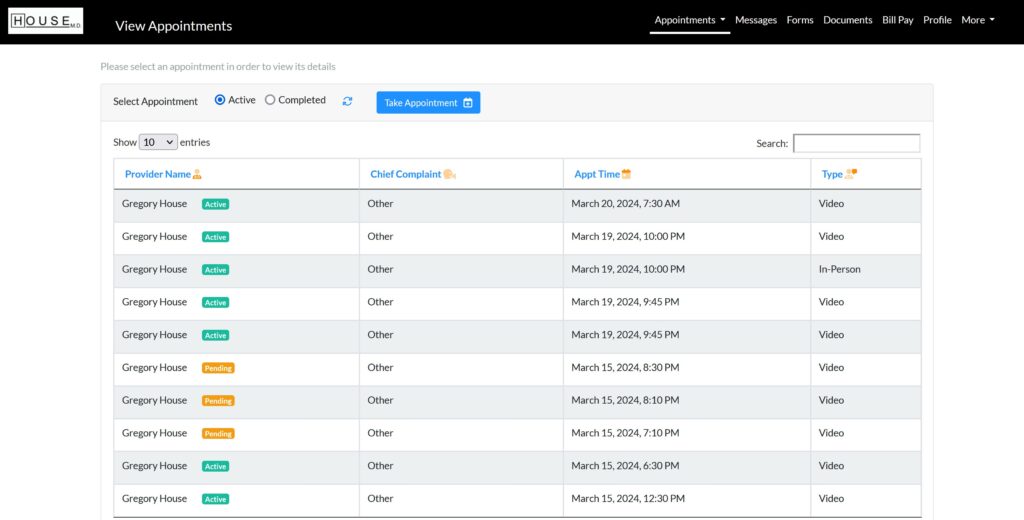
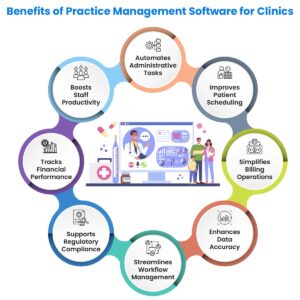
Scheduling is the front door of the practice. The best practice management software supports real-time scheduling, multiple calendars, appointment types, provider availability settings, online booking, waitlists, and automated confirmations.
Automated Patient Reminders
No-shows reduce revenue and disrupt flow. Automated reminders via SMS and email reduce missed appointments and reduce front-desk workload.
Patient Portal and Digital Intake Forms
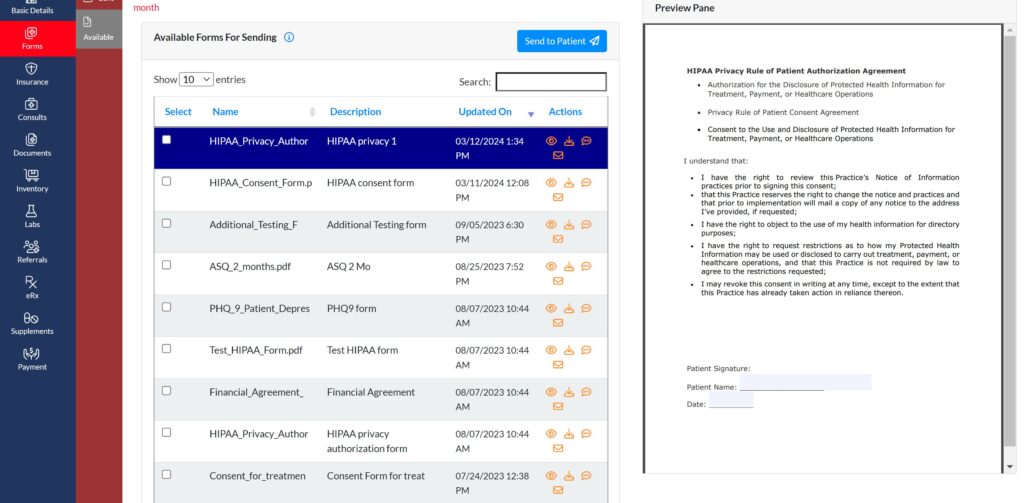
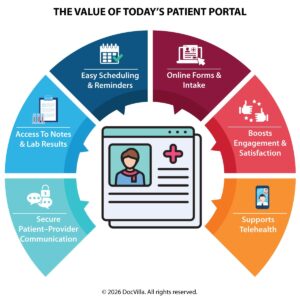
Modern patient expectations require a strong portal. NPs should prioritize EHR systems that include secure messaging, appointment scheduling, lab result access, and online bill pay. Digital intake forms and e-consent signing reduce paperwork and speed up check-in.
Telemedicine Integration
Many nurse practitioners offer telehealth. An EHR that integrates telemedicine workflows into scheduling, documentation, and billing helps practices operate smoothly. NPs should look for systems that support telehealth visits with secure links, intake workflows, and visit documentation templates.
ePrescribing and EPCS (Controlled Substances)
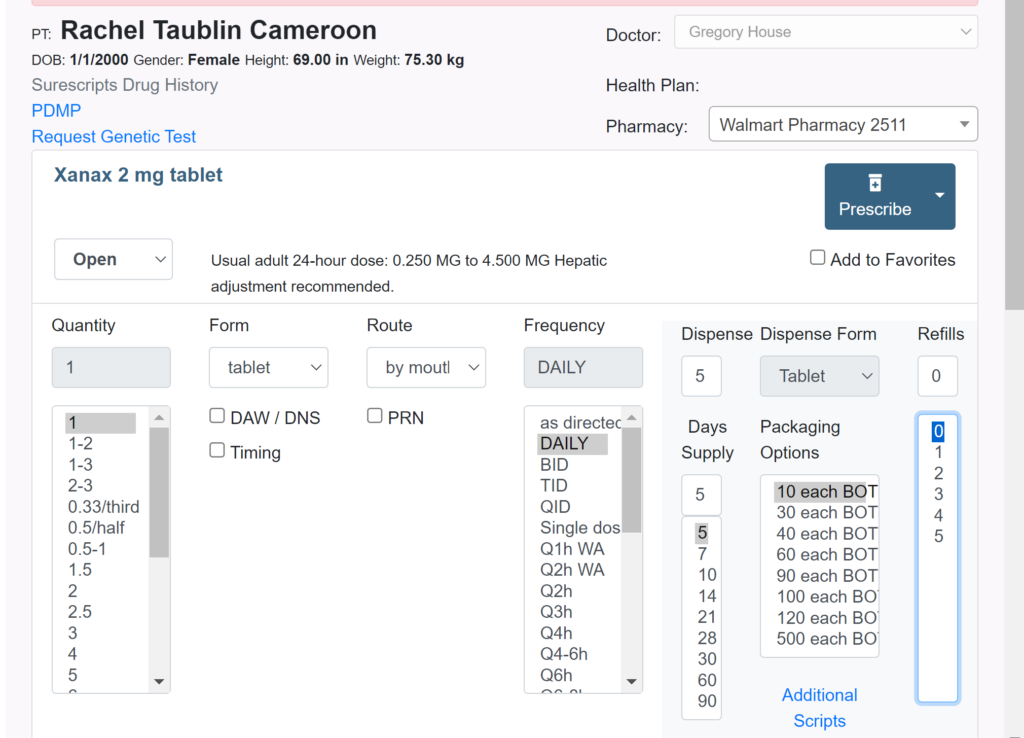
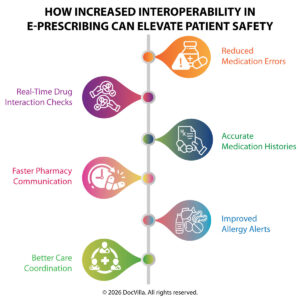
Prescribing workflows are central for primary care, psychiatry, and chronic care. Nurse practitioners should ensure the platform supports eRx through Surescripts and EPCS for controlled substances when needed. This is particularly important for behavioral health and pain-related care models.
Lab Integration and Orders
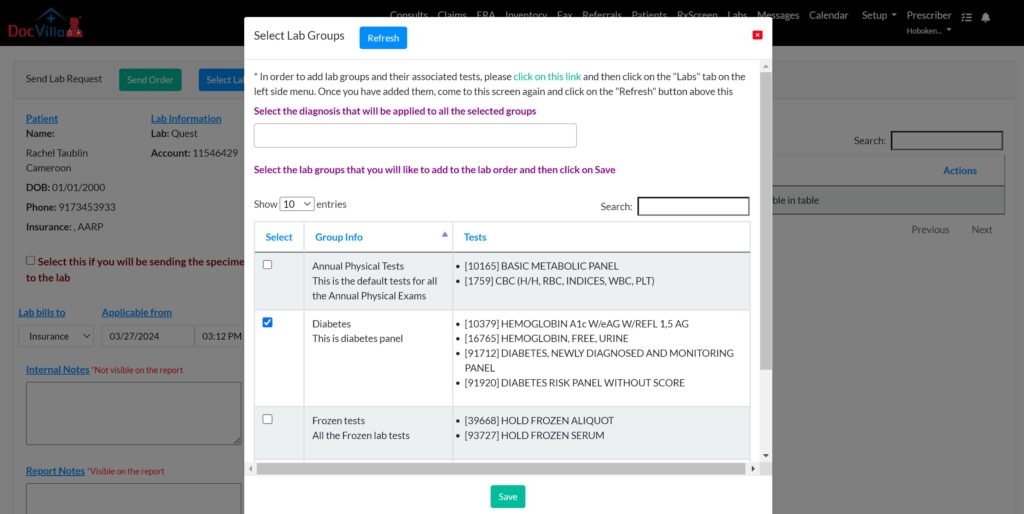
NPs frequently order labs for diagnosis and ongoing monitoring. Lab integration eliminates manual scanning and improves speed and accuracy. Systems that support ordering and results directly inside the chart save staff time and reduce errors.
Billing, Claims Management, and Eligibility Verification
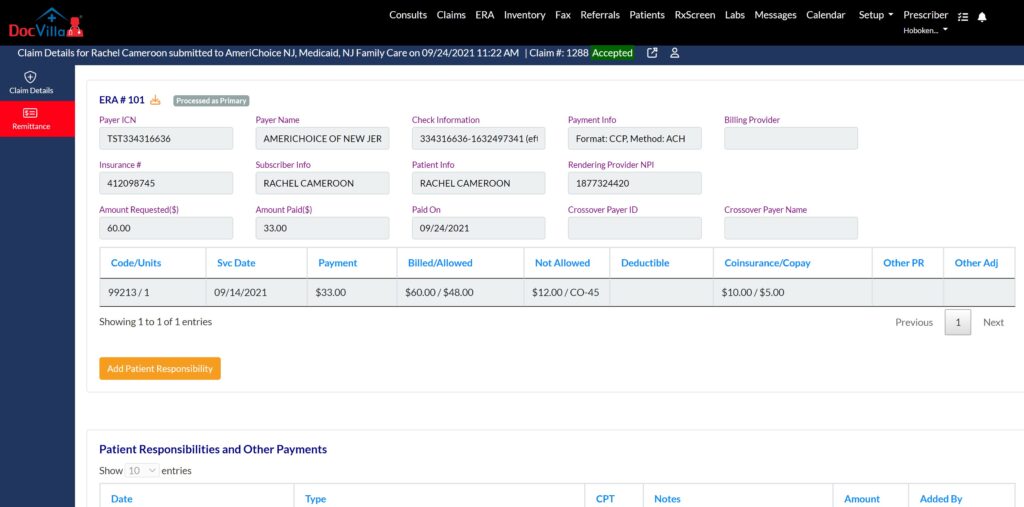
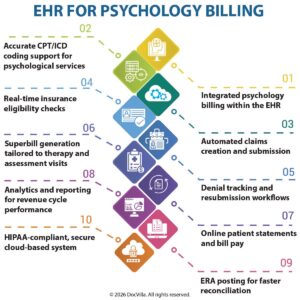
Billing is a common pain point for NP practices. The best EHR practice management software integrates billing workflows so that documentation supports coding, charges are captured correctly, eligibility is verified, claims are scrubbed, and ERAs are posted efficiently. If NPs bill insurance, billing features are non-negotiable. Even for cash-pay practices, payment processing and statements matter.
Integrated Payments and Online Bill Pay
Patient responsibility continues to rise. The best systems support online payments, statements, payment links, payment plans, and automatic reminders. This improves collections and reduces billing calls.
Reporting and Analytics
NP practice owners need visibility into business performance: collections, appointment volume, no-show rates, provider productivity, AR aging, payer mix, top diagnoses, and service-line performance. Strong reporting turns the EHR into a practice growth tool.
Role-Based Security and HIPAA Compliance
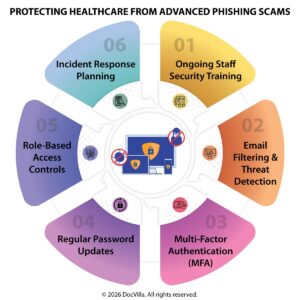
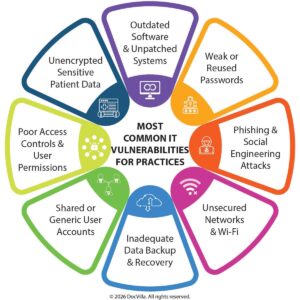
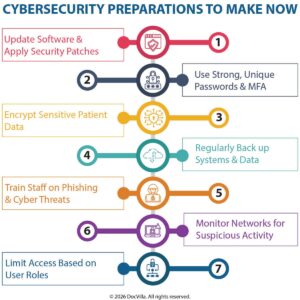
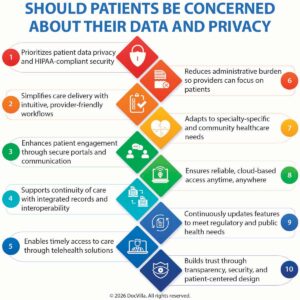
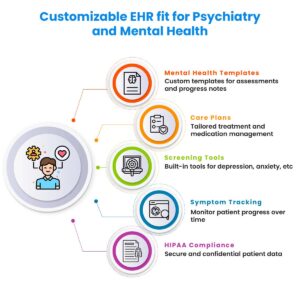
Security and compliance are critical. Nurse practitioners must protect patient information through HIPAA-compliant systems, access controls, audit trails, and secure communication tools.