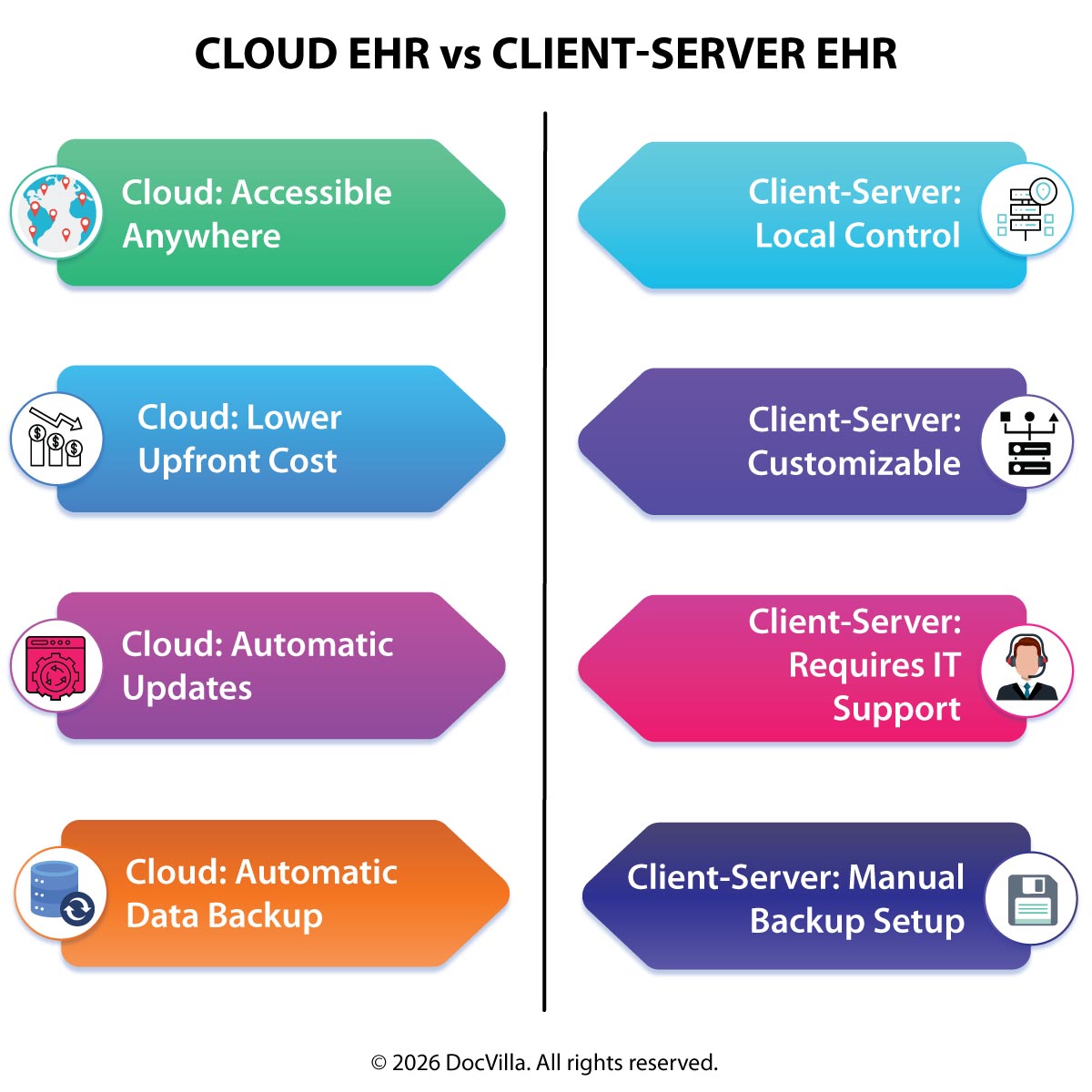
The healthcare industry has undergone a dramatic technological transformation over the past two decades. Medical records that were once stored in paper charts have largely been replaced by Electronic Health Records (EHR) and Electronic Medical Records (EMR) systems that allow providers to store, access, and manage patient data digitally. As healthcare practices adopt digital systems, one of the most important technology decisions they must make is choosing the type of infrastructure that will host their EHR system. Two primary models dominate the healthcare technology landscape: cloud-based EHR systems and traditional client-server EHR systems. Each approach has its own architecture, benefits, limitations, and cost considerations. For medical practices evaluating EHR, EMR, and practice management software, understanding the differences between these two models is essential for making an informed decision. The infrastructure that supports an EHR system affects accessibility, scalability, maintenance requirements, data security, and long-term operational costs. As healthcare organizations continue to embrace digital transformation, cloud-based systems are increasingly becoming the preferred option for many practices. However, some organizations still rely on client-server systems due to specific operational or regulatory considerations. By understanding how these systems function and evaluating their advantages and disadvantages, medical practices can determine which approach best aligns with their operational goals and technological capabilities. … Read More
Author Archives: dv_user
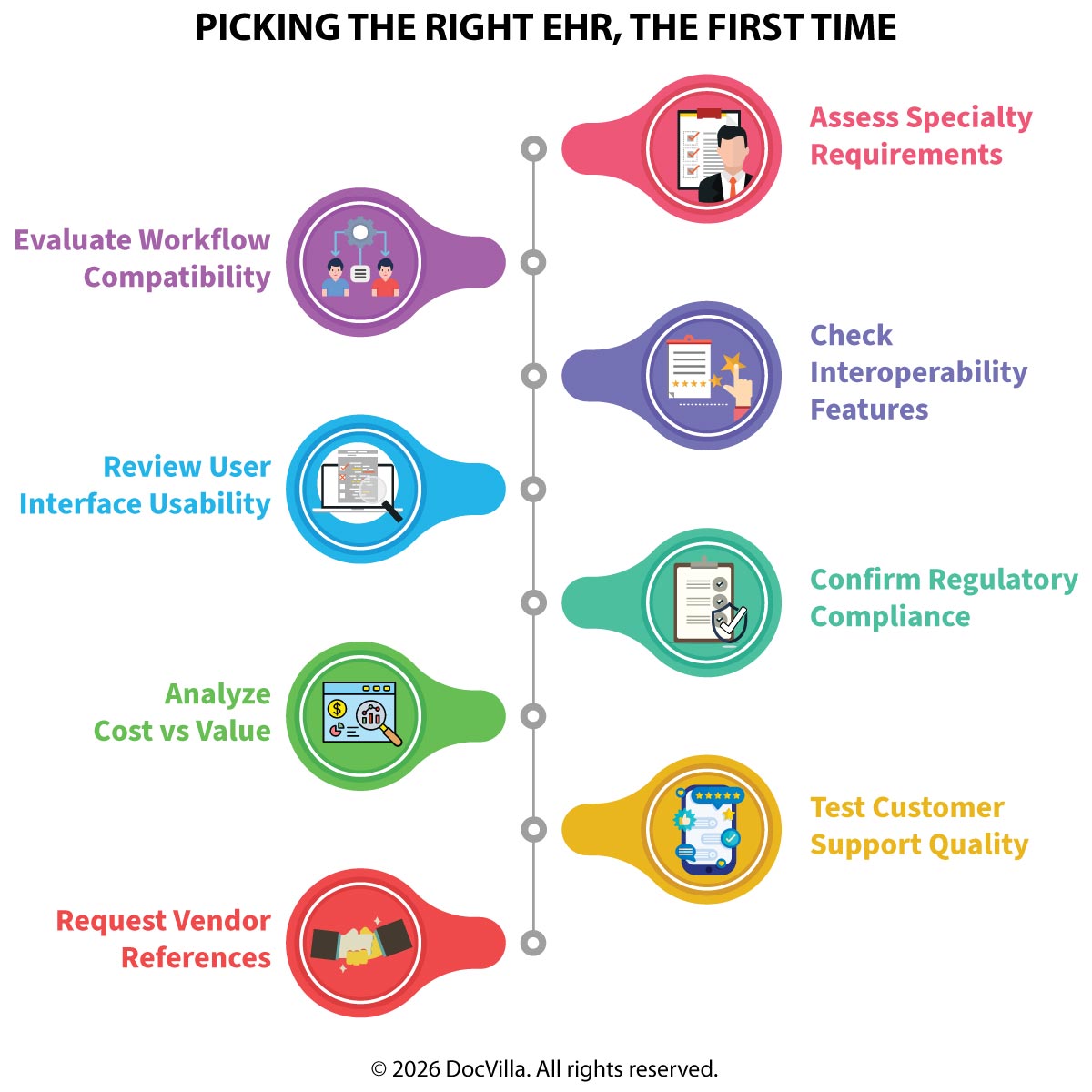
Picking the Right EHR the First Time: A Complete Guide for Medical Practices
Choosing an Electronic Health Record (EHR) system is one of the most important technology decisions a medical practice will make. The EHR platform becomes the digital foundation for nearly every aspect of clinical and administrative operations, including patient documentation, appointment scheduling, billing, prescription management, patient communication, and regulatory reporting. A well-chosen EHR system can streamline workflows, improve patient care, and support practice growth for many years. However, selecting the wrong EHR system can lead to operational inefficiencies, increased administrative workload, staff frustration, and costly system migrations in the future. Many healthcare organizations discover that switching EHR systems after implementation is far more complicated than expected because of data migration challenges, staff retraining, workflow disruptions, and financial costs. For this reason, medical practices must take a strategic approach when selecting an EHR platform. The goal should be to choose a system that aligns with the practice’s clinical workflows, supports long-term scalability, and integrates seamlessly with practice management tools. By carefully evaluating system features, usability, integration capabilities, security standards, and vendor support, medical practices can avoid common pitfalls and select the right EHR solution from the beginning. Making the right choice the first time allows healthcare providers to focus on delivering high-quality patient care rather than struggling with inefficient technology. … Read More
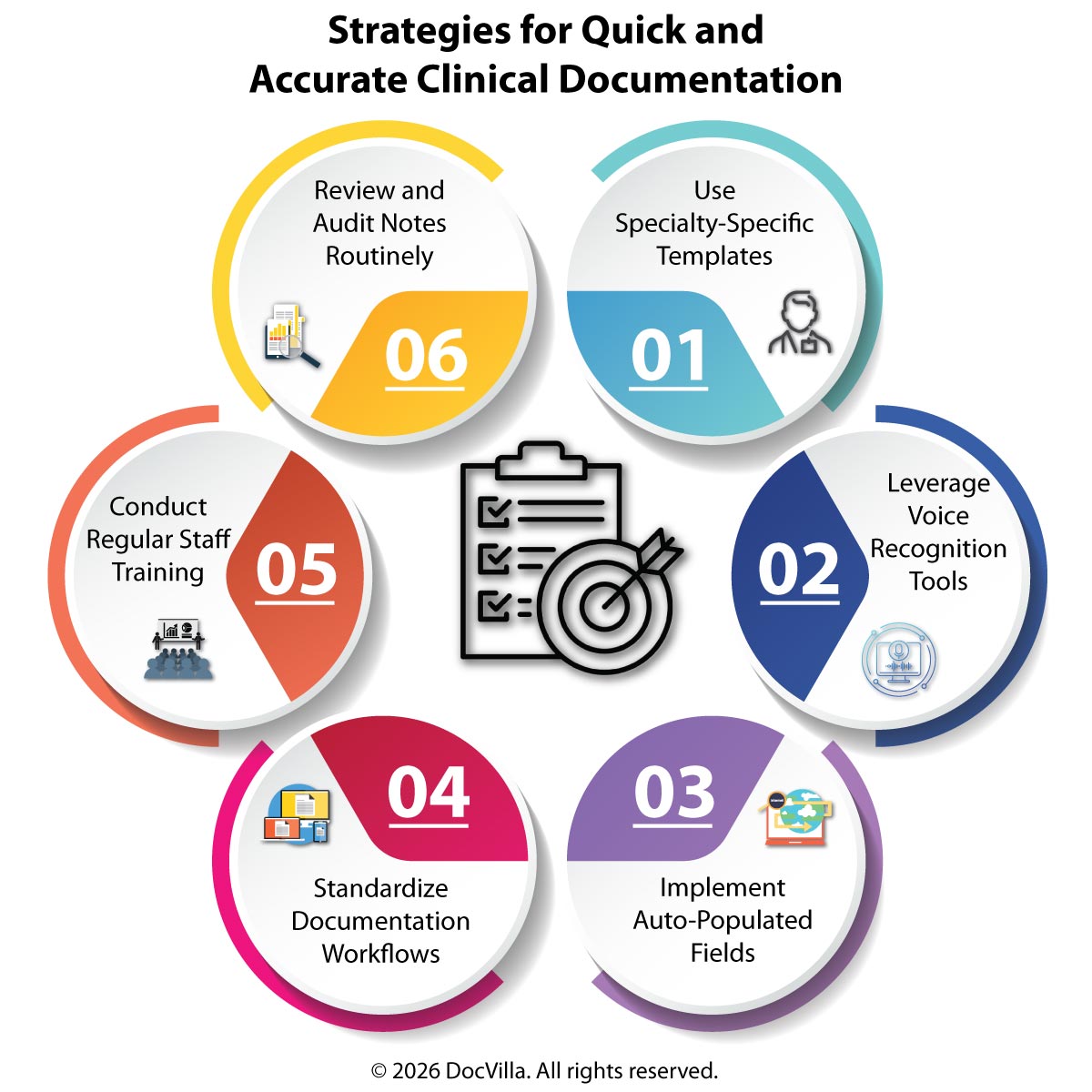
Strategies for Quick and Accurate Clinical Documentation in Modern Medical Practices
Clinical documentation is one of the most important responsibilities in healthcare. Every patient encounter generates critical information that must be recorded accurately to ensure continuity of care, support medical decision-making, and comply with regulatory requirements. Documentation also plays a central role in billing, coding, quality reporting, and legal protection for healthcare providers. However, many physicians and healthcare staff feel overwhelmed by the amount of time required to complete clinical documentation. Providers often report spending hours each day updating electronic charts, reviewing patient records, and completing administrative tasks related to documentation. In some cases, the documentation burden can interfere with patient interactions and contribute to physician burnout. The challenge for modern healthcare organizations is finding ways to document patient encounters quickly without sacrificing accuracy or quality. Effective documentation strategies combine efficient workflows, standardized templates, digital tools, and integrated Electronic Health Record (EHR) systems that streamline data entry and reduce redundant tasks. When documentation processes are optimized, providers can spend less time navigating complex systems and more time focusing on patient care. Modern EHR, EMR, and practice management platforms play a key role in enabling fast and accurate clinical documentation by automating routine tasks, organizing patient data effectively, and supporting intuitive workflows. For medical practices seeking to improve productivity and reduce administrative burdens, adopting strategic documentation practices can significantly enhance operational efficiency while maintaining high standards of care. … Read More
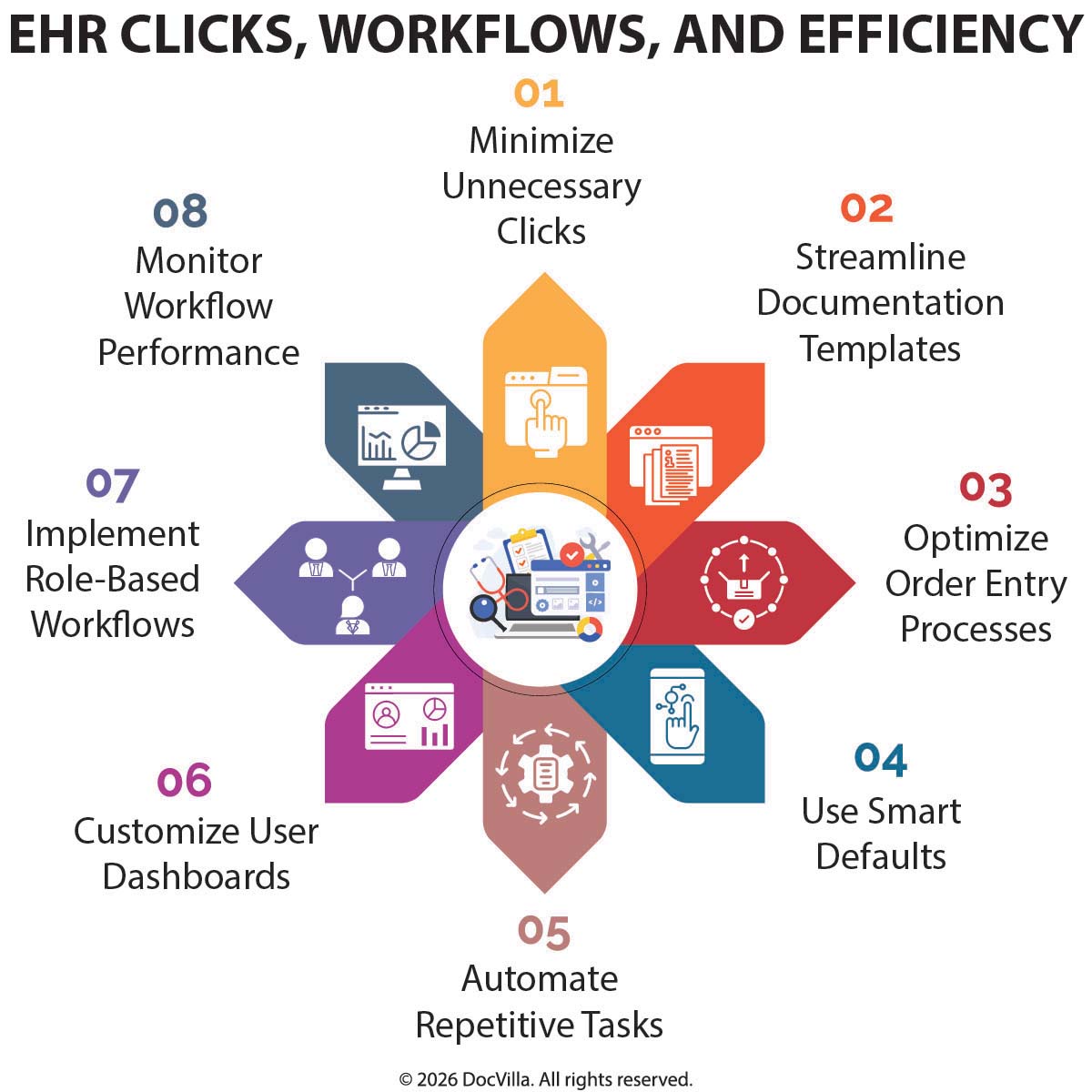
EHR Clicks, Workflows, and Efficiency: Optimizing Digital Healthcare for Modern Medical Practices
Electronic Health Records (EHR) have become the backbone of modern healthcare delivery. Medical practices across the world rely on digital systems to document patient encounters, manage clinical data, coordinate care, process billing, and communicate with patients. While EHR systems have improved accessibility of patient information and enabled more connected healthcare ecosystems, many physicians and healthcare staff still struggle with inefficient workflows and excessive documentation requirements. One of the most common complaints about EHR systems is the number of “clicks” required to complete routine tasks. Physicians often feel that they spend more time interacting with computer screens than with patients. When poorly designed systems require excessive navigation, redundant data entry, or complex interfaces, clinical productivity declines and provider burnout increases. However, the issue is not necessarily the concept of EHR systems themselves but rather how those systems are designed and implemented within practice workflows. When optimized correctly, EHR systems can significantly improve efficiency, reduce administrative burdens, and enhance patient care. Modern EHR, EMR, and practice management platforms are increasingly designed with usability and workflow optimization in mind. By reducing unnecessary clicks, streamlining navigation, and automating repetitive tasks, healthcare technology can help physicians focus more on patient care and less on administrative processes. Understanding how EHR clicks, workflows, and efficiency are interconnected allows medical practices to evaluate their current systems and identify opportunities for improvement. … Read More
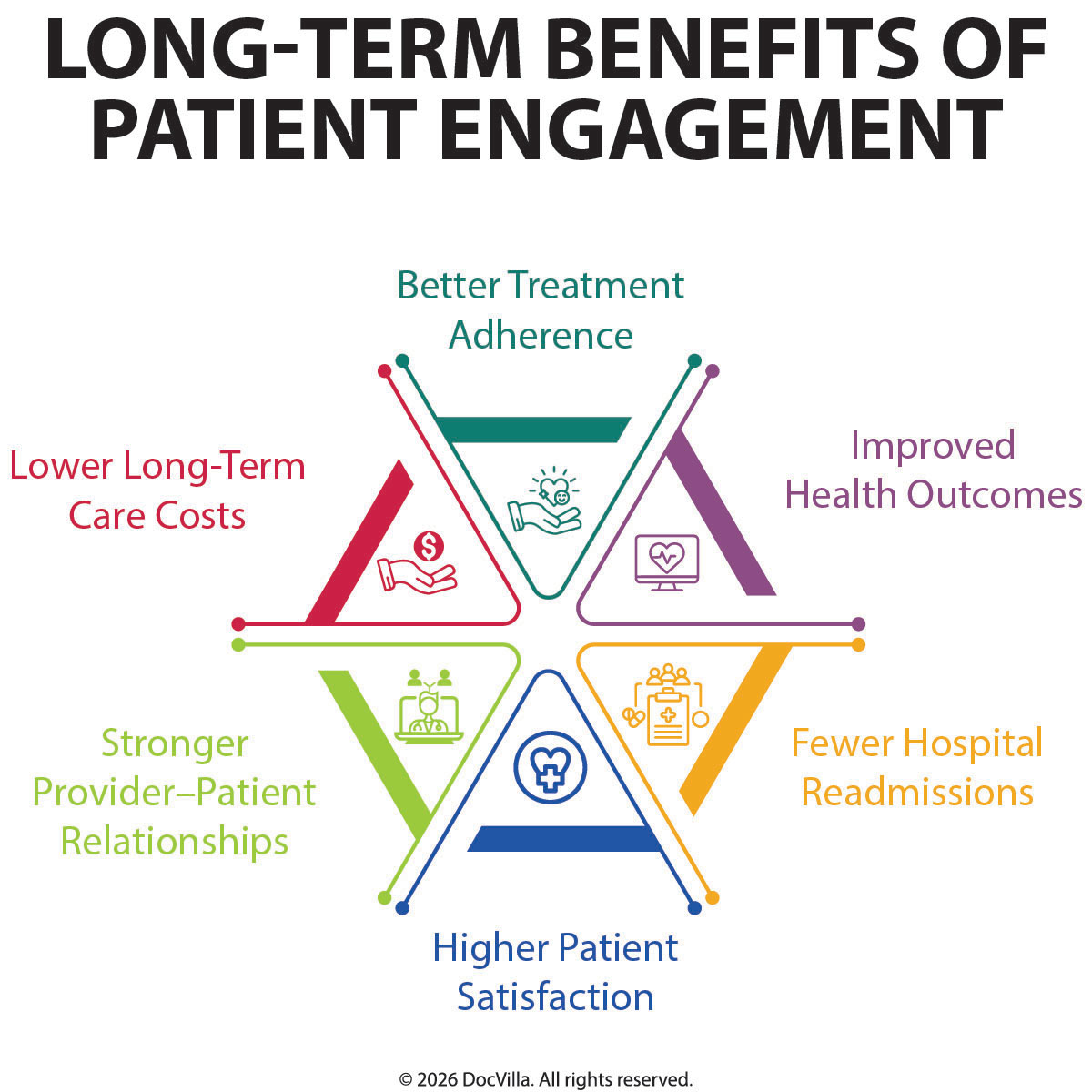
The Long-Term Benefits of Patient Engagement: Why Modern Medical Practices Must Prioritize Connected Care
Healthcare has undergone a major transformation in recent years as technology, patient expectations, and care delivery models continue to evolve. One of the most significant shifts in modern healthcare is the growing emphasis on patient engagement. Historically, healthcare was largely provider-driven, where physicians made most treatment decisions and patients followed instructions with limited involvement in the care process. Today, however, healthcare is increasingly centered around collaboration between providers and patients. Patient engagement refers to the active participation of patients in managing their own health, making informed decisions, communicating with healthcare providers, and following treatment plans effectively. When patients are engaged in their healthcare journey, outcomes improve, satisfaction increases, and healthcare systems operate more efficiently. For medical practices, investing in patient engagement is not just a clinical priority but also a strategic advantage. Engaged patients are more likely to follow treatment recommendations, attend follow-up visits, communicate effectively with providers, and remain loyal to their healthcare providers over time. Modern Electronic Health Records (EHR), Electronic Medical Records (EMR), and integrated practice management software provide powerful tools that support patient engagement through digital communication, patient portals, telehealth services, automated reminders, and accessible health records. Understanding the long-term benefits of patient engagement helps medical practices build stronger relationships with patients while improving operational efficiency and financial stability. … Read More
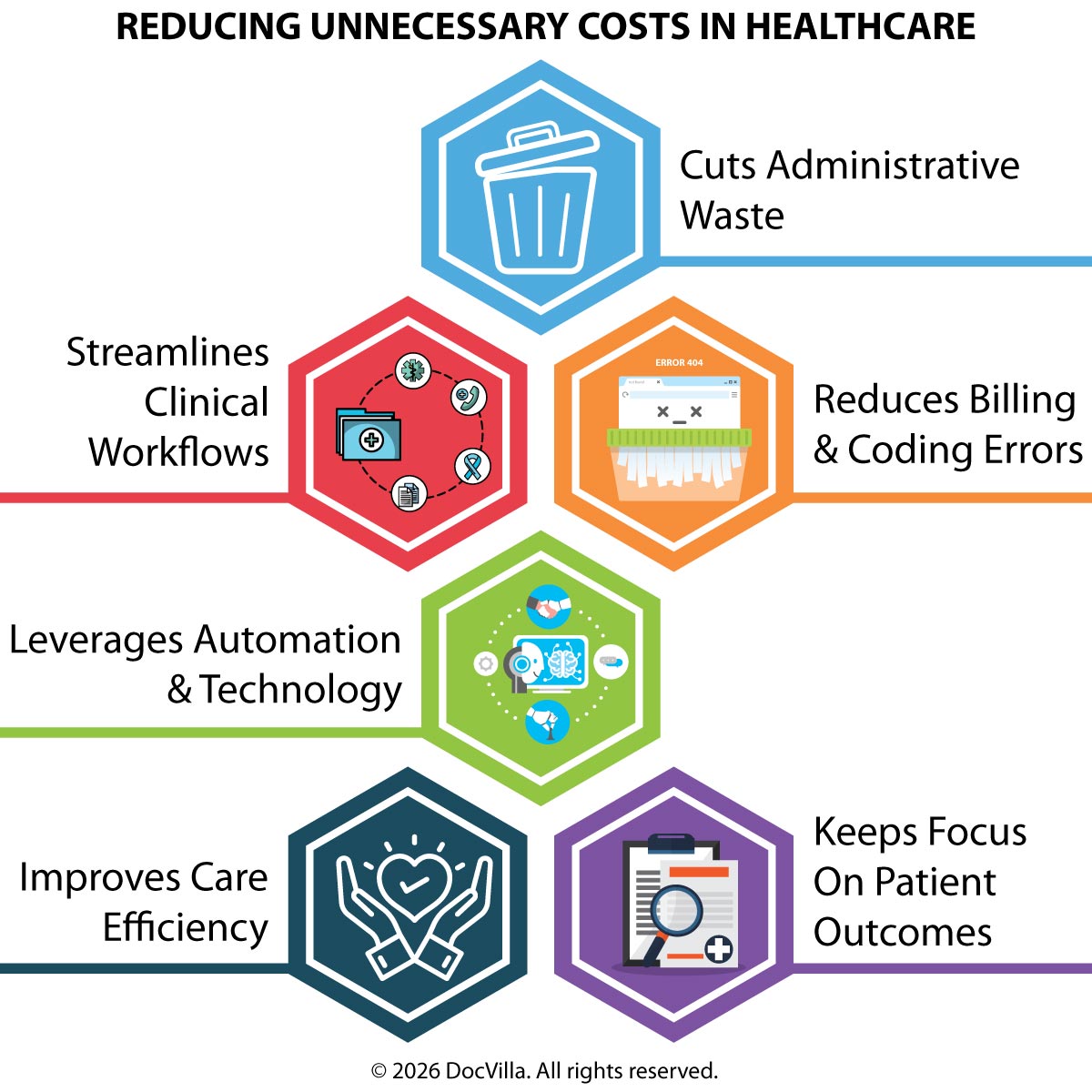
Reducing Unnecessary Costs in Healthcare: Focus on Patients, Not the Bottom Line
Healthcare organizations today face increasing pressure to balance high-quality patient care with financial sustainability. Medical practices must manage staffing costs, administrative workloads, regulatory compliance, and technology investments while still delivering excellent clinical outcomes. Many physicians feel caught between the desire to provide the best possible care and the reality of rising operational expenses. However, reducing unnecessary costs in healthcare does not mean compromising patient care. In fact, many cost-saving strategies actually improve patient experiences and outcomes. By eliminating inefficiencies, modernizing workflows, and adopting integrated healthcare technology, medical practices can reduce administrative overhead while allowing physicians and staff to focus more attention on patients. The most effective approach to cost reduction is not simply cutting expenses but improving operational efficiency through smarter systems and processes. Electronic Health Records (EHR), Electronic Medical Records (EMR), and integrated practice management software play a critical role in achieving this balance. These technologies streamline workflows, automate administrative tasks, improve communication, and support better financial management. When practices operate efficiently, physicians can spend less time dealing with administrative burdens and more time delivering patient-centered care. Ultimately, reducing unnecessary costs strengthens both the financial health of the practice and the quality of care patients receive. … Read More
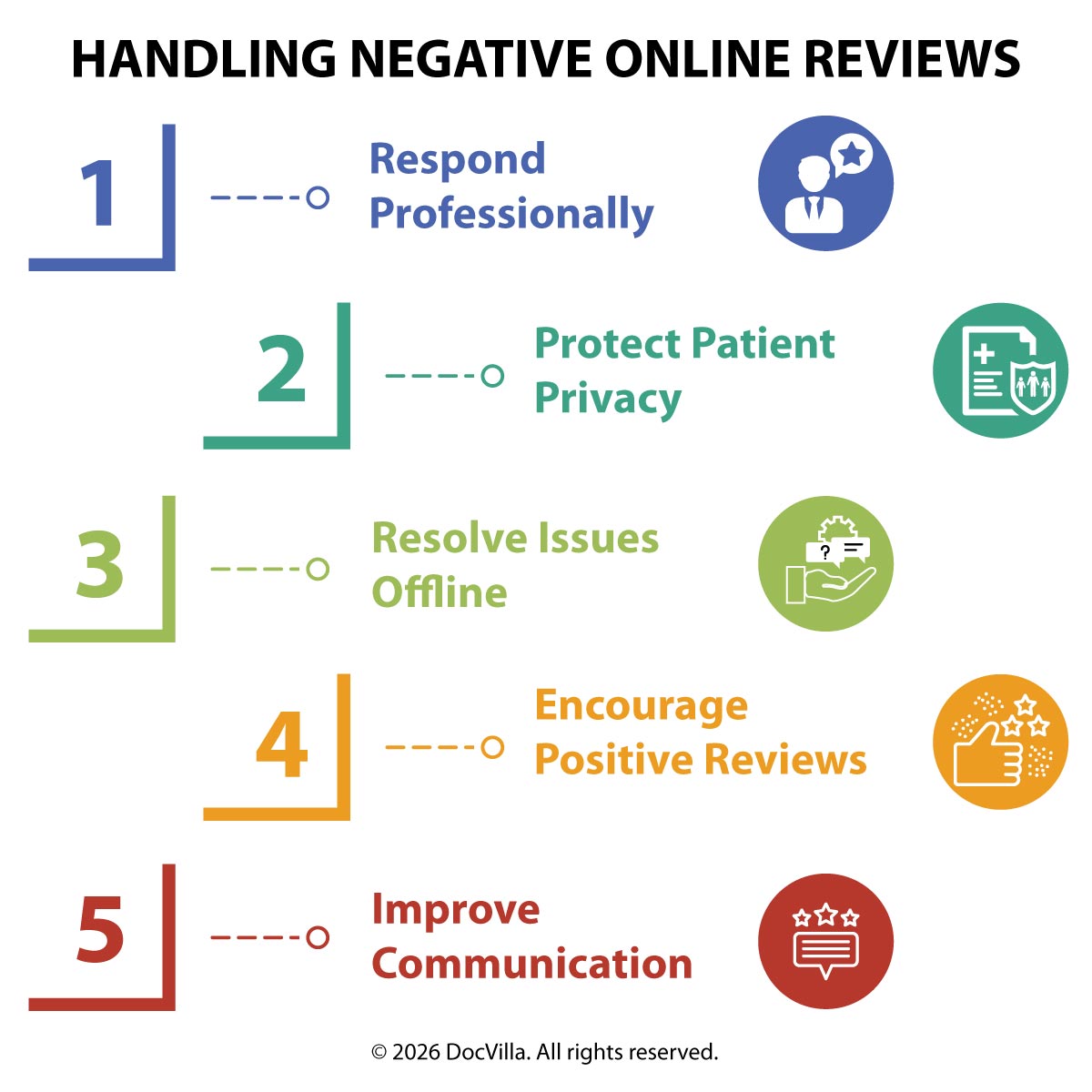
How Physicians Can Deal With and Avoid Negative Online Reviews: A Practical Guide for Modern Medical Practices
The healthcare landscape has changed dramatically over the past decade, not only in how care is delivered but also in how patients evaluate and select healthcare providers. In the past, word-of-mouth referrals and physician reputation within the community were the primary drivers of patient growth. Today, online reviews play a major role in shaping how patients perceive medical practices. Platforms such as Google, Healthgrades, Yelp, and other healthcare directories allow patients to publicly share their experiences with providers. While positive reviews can strengthen a practice’s reputation and attract new patients, negative reviews can have the opposite effect, influencing potential patients before they even step into the clinic. For physicians and medical practice owners, managing online reputation has therefore become an important component of modern practice management. However, dealing with negative reviews requires careful consideration, professionalism, and strategic communication. Healthcare providers must balance protecting their reputation with maintaining patient privacy and complying with healthcare regulations. The good news is that negative reviews can often be prevented through strong patient engagement, clear communication, and efficient practice workflows supported by modern Electronic Health Record (EHR), Electronic Medical Record (EMR), and practice management software. By understanding the causes of negative reviews and implementing proactive strategies to address patient concerns, physicians can not only manage their online reputation but also improve patient satisfaction and operational efficiency. … Read More
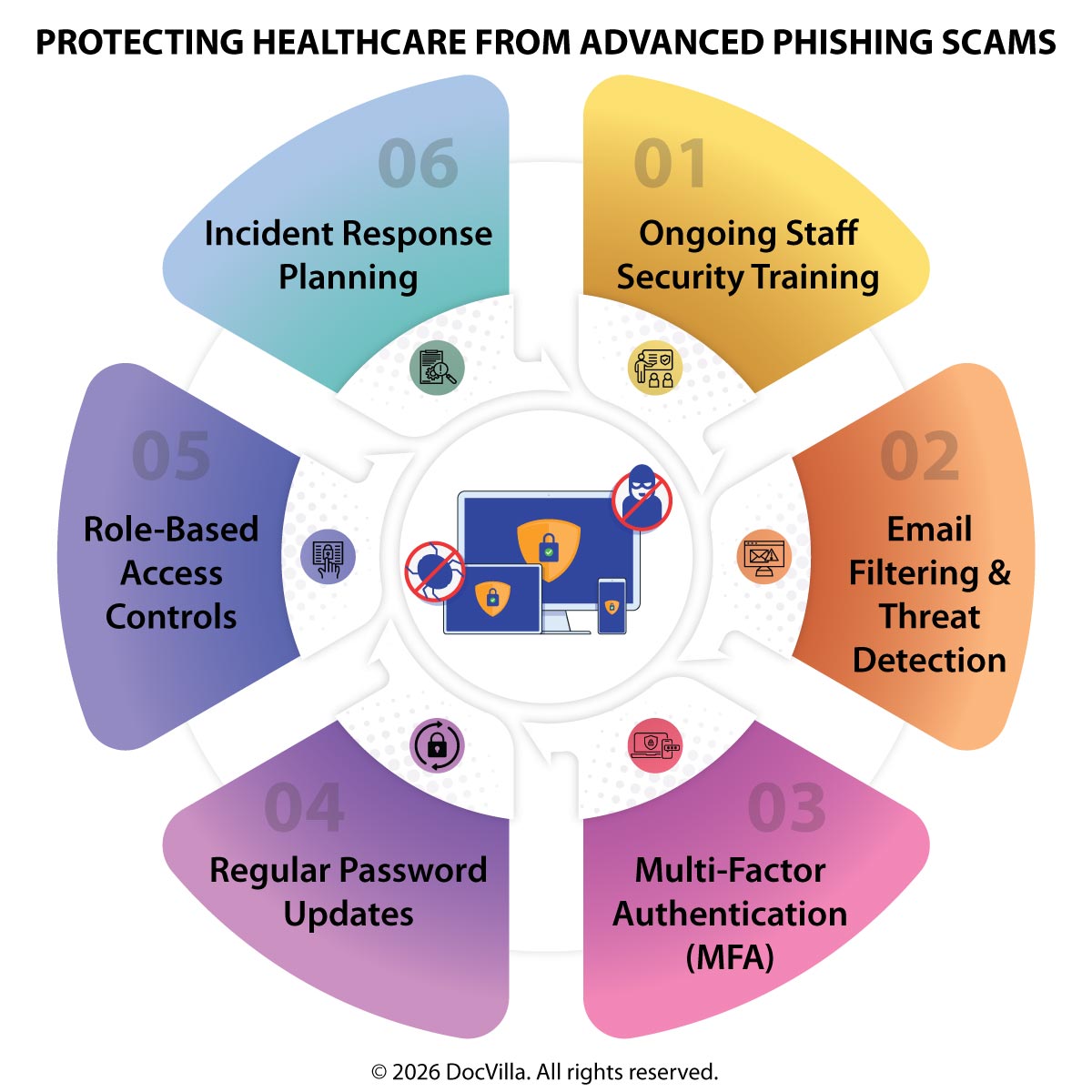
Protecting the Healthcare Industry from Advancements in Phishing Scams: A Critical Guide for Modern Medical Practices
Cybersecurity threats have grown dramatically in recent years, and one of the most persistent and dangerous forms of attack targeting healthcare organizations is phishing. Phishing scams have evolved far beyond simple deceptive emails and now represent sophisticated, targeted cyberattacks designed to infiltrate healthcare networks and steal sensitive patient data. As medical practices increasingly rely on Electronic Health Records (EHR), Electronic Medical Records (EMR), telehealth platforms, and digital communication systems, the amount of valuable healthcare data stored online has grown significantly. This digital transformation has improved efficiency and patient care, but it has also created new opportunities for cybercriminals. Healthcare data is particularly attractive to attackers because it contains detailed personal information, insurance details, and financial records that can be used for identity theft and fraud. Small and mid-sized medical practices are often especially vulnerable because they may not have dedicated cybersecurity teams or sophisticated security infrastructure. As phishing scams continue to evolve in complexity, healthcare organizations must adopt proactive strategies to protect their systems, staff, and patients. Understanding how phishing attacks work, recognizing the vulnerabilities they exploit, and implementing strong cybersecurity defenses are essential steps in protecting modern medical practices. For organizations evaluating EHR, EMR, and practice management software, selecting platforms with strong security features can significantly reduce the risk of phishing-related breaches while maintaining efficient healthcare operations. … Read More
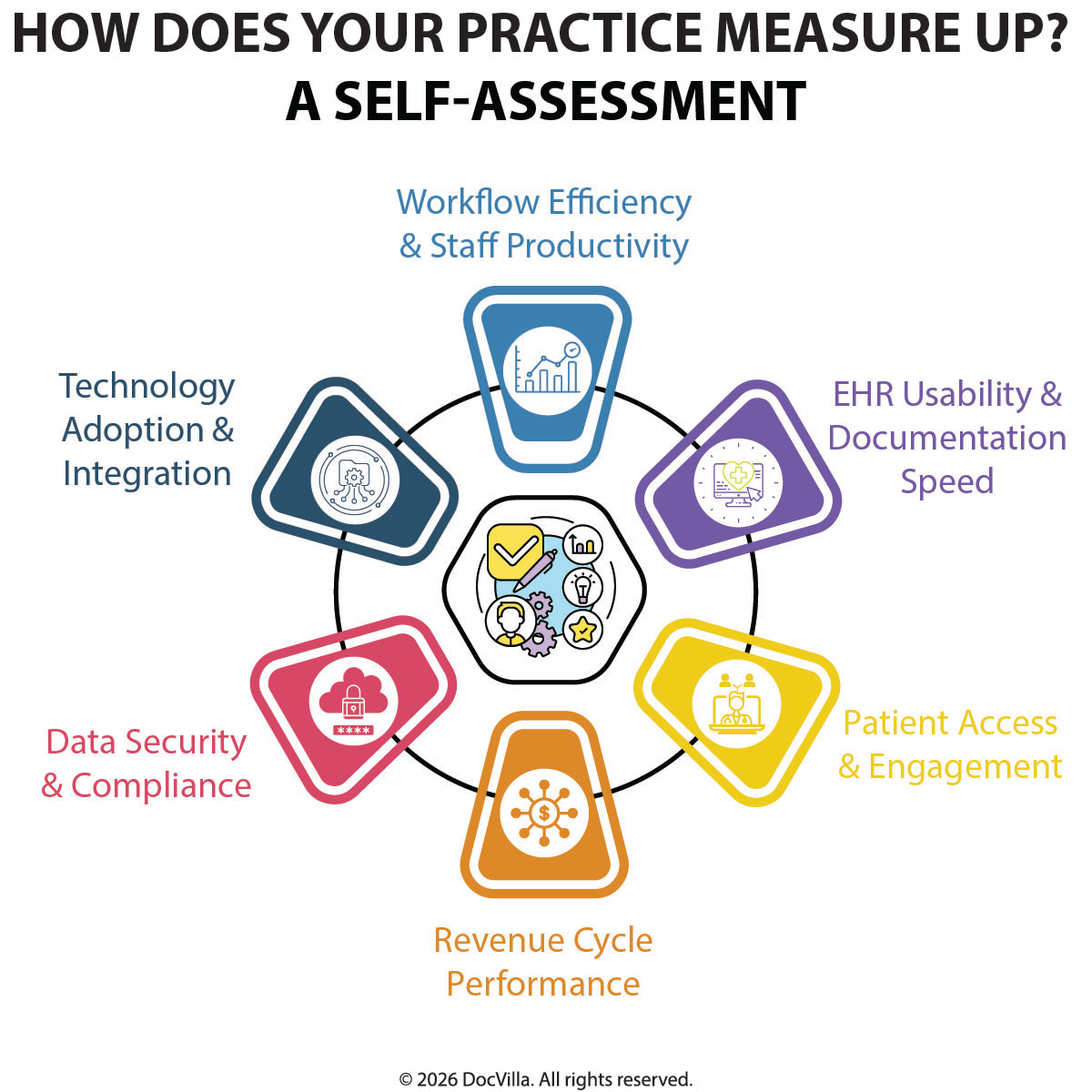
How Does Your Practice Measure Up? A Self-Assessment for Modern Medical Practices
Healthcare is undergoing rapid transformation driven by technological innovation, evolving patient expectations, regulatory requirements, and increasing operational complexity. Independent medical practices, specialty clinics, urgent care centers, and multi-provider organizations must continually evaluate how well their operations align with modern healthcare standards. Many practices focus primarily on clinical care quality, but the reality is that successful medical practices must balance multiple dimensions including operational efficiency, financial performance, patient engagement, technology adoption, and regulatory compliance. Conducting a structured self-assessment allows healthcare organizations to identify strengths, uncover inefficiencies, and determine whether their practice infrastructure supports long-term growth. For medical practices evaluating Electronic Health Records (EHR), Electronic Medical Records (EMR), and practice management software, a comprehensive self-assessment provides valuable insights into how current systems and workflows measure up to industry best practices. By examining clinical workflows, revenue cycle performance, patient communication tools, staff productivity, and data security practices, healthcare organizations can determine where improvements are needed and which technology solutions can help them operate more efficiently. In the evolving healthcare environment of 2026, practices that regularly evaluate their performance and adopt modern digital solutions will be better positioned to deliver high-quality patient care while maintaining financial sustainability. … Read More
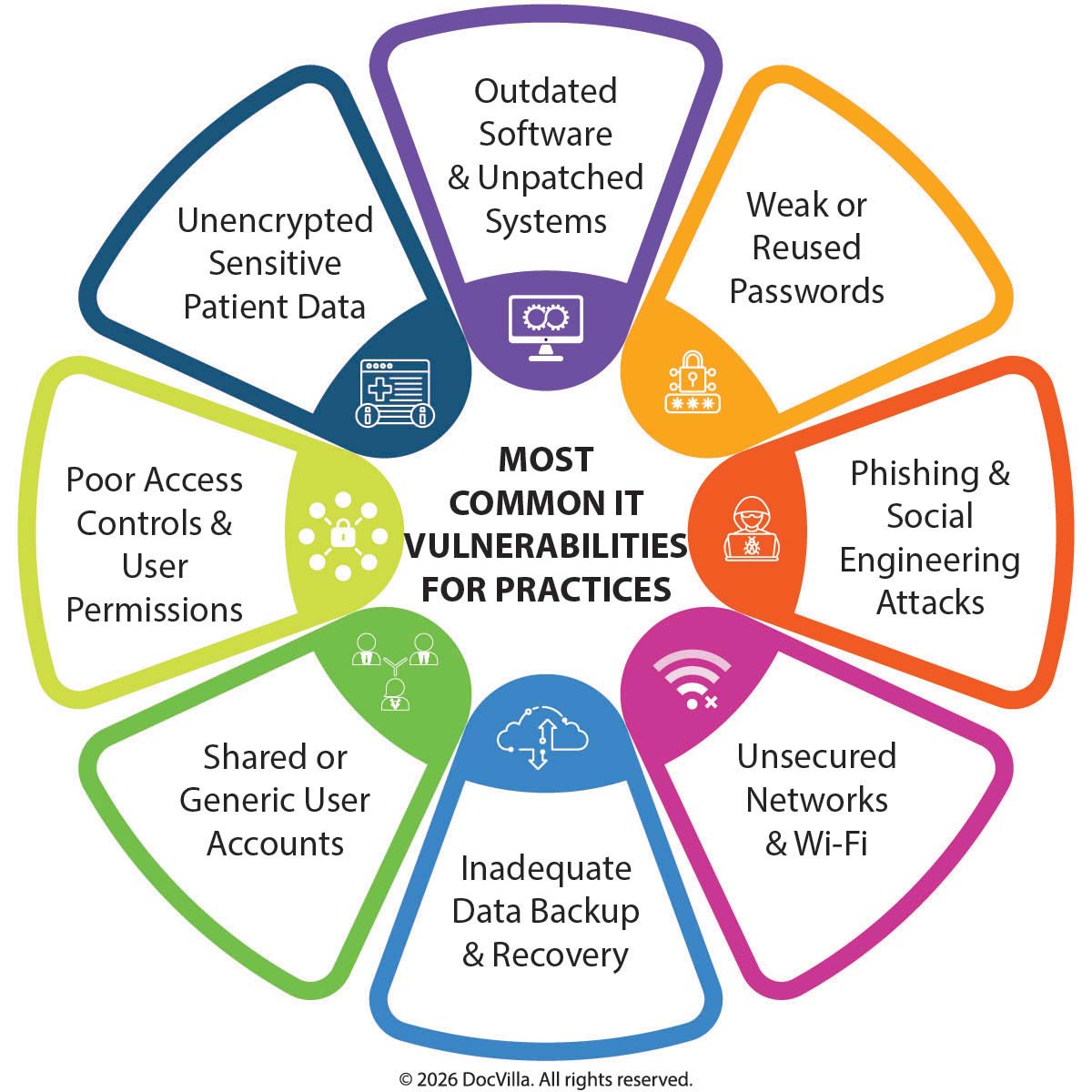
Most Common IT Vulnerabilities for Medical Practices: Protecting Healthcare Data in the Digital Age
Healthcare organizations have become increasingly dependent on digital technology to manage patient care, clinical documentation, billing operations, scheduling, and communication. Electronic Health Records (EHR), Electronic Medical Records (EMR), telehealth platforms, patient portals, billing systems, and connected medical devices now form the backbone of modern medical practices. While these technologies have improved efficiency and care coordination, they have also introduced new cybersecurity risks. Medical practices store and process vast amounts of sensitive patient data including personal identifiers, insurance details, payment information, medical histories, and prescription records. This data is extremely valuable to cybercriminals and therefore makes healthcare organizations attractive targets for cyberattacks. In recent years, healthcare has consistently ranked among the most targeted industries for data breaches and ransomware attacks. For independent medical practices, urgent care centers, specialty clinics, and multispecialty groups, understanding the most common IT vulnerabilities is essential to protecting patient information and maintaining operational continuity. Addressing these vulnerabilities requires a proactive strategy that includes secure EHR systems, strong cybersecurity policies, staff training, access controls, and continuous monitoring. Medical practices that invest in modern, secure healthcare technology platforms significantly reduce their exposure to cyber threats while strengthening trust with patients. … Read More