
ICD-10 codes are essential for urologists to accurately document patient diagnoses, streamline medical billing, and ensure proper insurance reimbursement. Urology practices deal with a wide range of conditions, including urinary tract infections (UTIs), kidney diseases, bladder disorders, prostate conditions, and male reproductive health issues. … Read More
Medical Billing

Common ICD 10 Codes For Cardiology
Cardiologists deal with a wide range of heart conditions, including hypertension, coronary artery disease, arrhythmias, heart failure, and valvular disorders. To maintain compliance, reduce claim denials, and improve revenue cycle management, cardiology practices need a reliable list of common ICD-10 codes. … Read More

Differences Between AI, RPA, LLMs, & Machine Learning in Healthcare Technology
The healthcare industry is experiencing a rapid digital transformation, with technologies like Artificial Intelligence (AI), Robotic Process Automation (RPA), Large Language Models (LLMs), and Machine Learning (ML) revolutionizing how medical professionals manage patient care, clinical workflows, and administrative tasks. These innovations are shaping Cloud Based Electronic Health Records (EHR), medical billing, patient engagement, and diagnostics, improving efficiency and accuracy across healthcare settings. … Read More

Common ICD-10 Codes for Mental Health, Behavioral Health, and Psychiatry Practices
ICD-10 codes play a vital role in mental health, behavioral health, and psychiatry practices. These codes help providers document diagnoses, bill insurance companies, and maintain accurate patient records. Given the complexity of mental health conditions and the evolving landscape of behavioral health care, having a reliable list of the most common ICD-10 codes is essential for psychiatrists, psychologists, therapists, and other behavioral health professionals. … Read More

Common ICD-10 Codes for Primary Care, Internal Medicine, and Family Medicine
Primary care physicians, internists, and family medicine doctors frequently diagnose and treat a wide range of conditions, from chronic illnesses to acute infections. Having a reliable list of ICD-10 codes can help medical practices streamline billing, reduce claim denials, and improve reimbursement rates. … Read More

ICD-11: What to Expect for the Upcoming Coding Standard
ICD-11 will introduce a more modernized coding structure, improved diagnostic accuracy, and enhanced integration with electronic health records (EHR) and medical billing systems. The transition is expected to streamline documentation, reduce coding errors, and improve interoperability. Healthcare providers need to understand how these changes will impact their practice and how they can ensure compliance with the new standards. … Read More

Strategies for Scaling Up Your Direct Primary Care Practice
Direct Primary Care (DPC) practices are reshaping healthcare by offering a membership-based model that eliminates the complexities of insurance billing, allowing physicians to focus on personalized patient care. As DPC practices continue to grow in popularity, many providers seek strategies to scale up their practice, increase revenue, and enhance patient engagement while maintaining efficiency.
Scaling a DPC practice requires careful planning, streamlined workflows, and the right technology, including an advanced cloud-based EHR system. DocVilla’s all-in-one Direct Primary Care EMR and practice management software helps DPC providers automate operations, expand their patient base, and optimize membership billing for sustainable practice growth. … Read More

Is Inflation Affecting Independent Practice Finances? A Comprehensive Guide for Healthcare Providers
Inflation is a growing concern across all industries, and independent medical practices are not immune to its impact. Rising operational costs, staffing expenses, and reduced insurance reimbursements create financial challenges that threaten the sustainability of private healthcare providers. Independent physicians must navigate economic uncertainty while maintaining profitability and high-quality patient care. … Read More
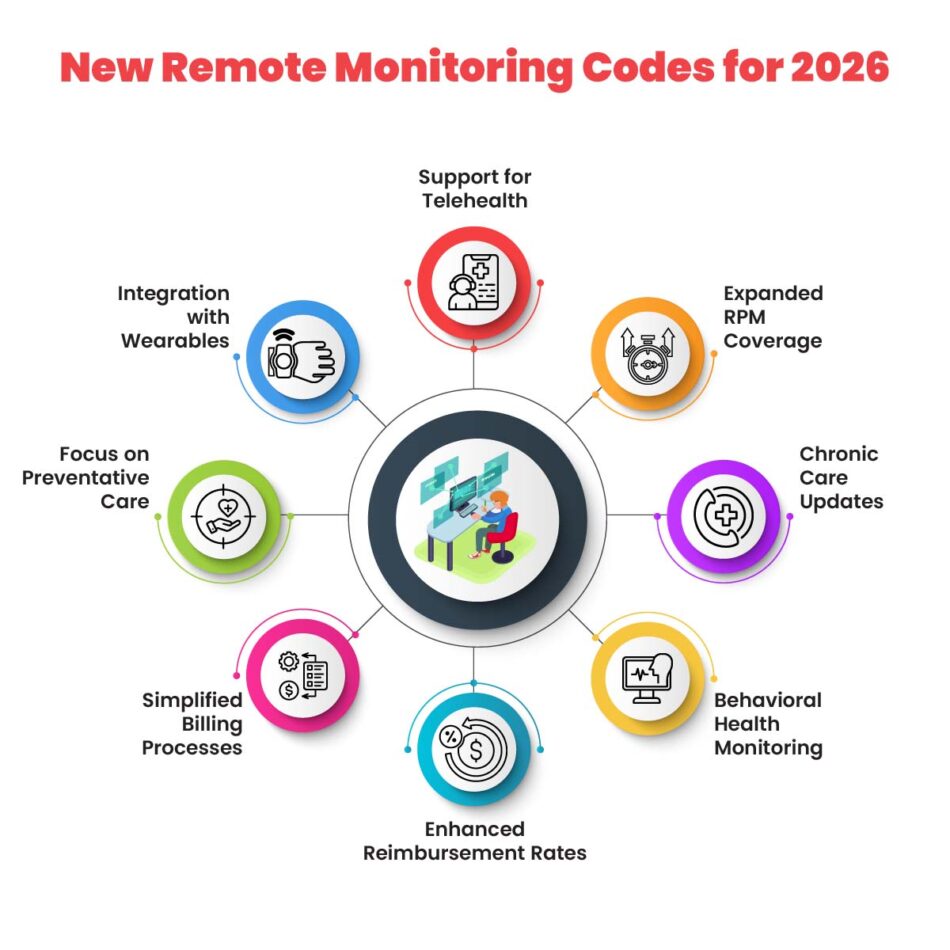
New Remote Monitoring Codes for 2026: A Comprehensive Guide for Medical Practices
Remote Patient Monitoring (RPM) and Remote Therapeutic Monitoring (RTM) are revolutionizing healthcare delivery by allowing providers to track patients’ health data in real-time. The Centers for Medicare & Medicaid Services (CMS) continually updates Current Procedural Terminology (CPT) codes to reflect the evolving landscape of digital health and telemedicine. As we look forward to 2026, new remote monitoring codes are expected to further expand reimbursement opportunities for providers offering virtual care solutions. … Read More
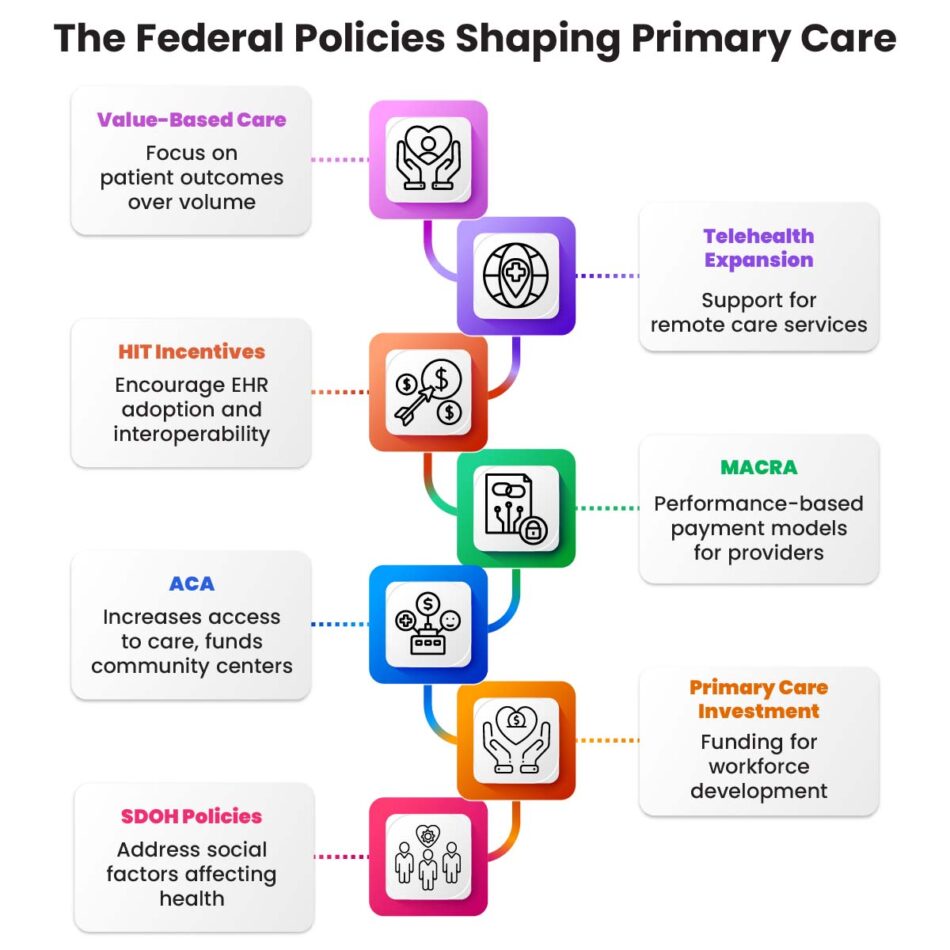
The Federal Policies Shaping Primary Care
Medical billing is one of the most crucial aspects of running a successful private practice. It directly impacts cash flow, revenue cycle management, and overall financial stability. However, medical billing is complex and requires an understanding of insurance claims, coding, payer policies, and compliance regulations. For private practices, ensuring accurate and timely billing is essential to maintaining profitability while providing quality patient care. … Read More