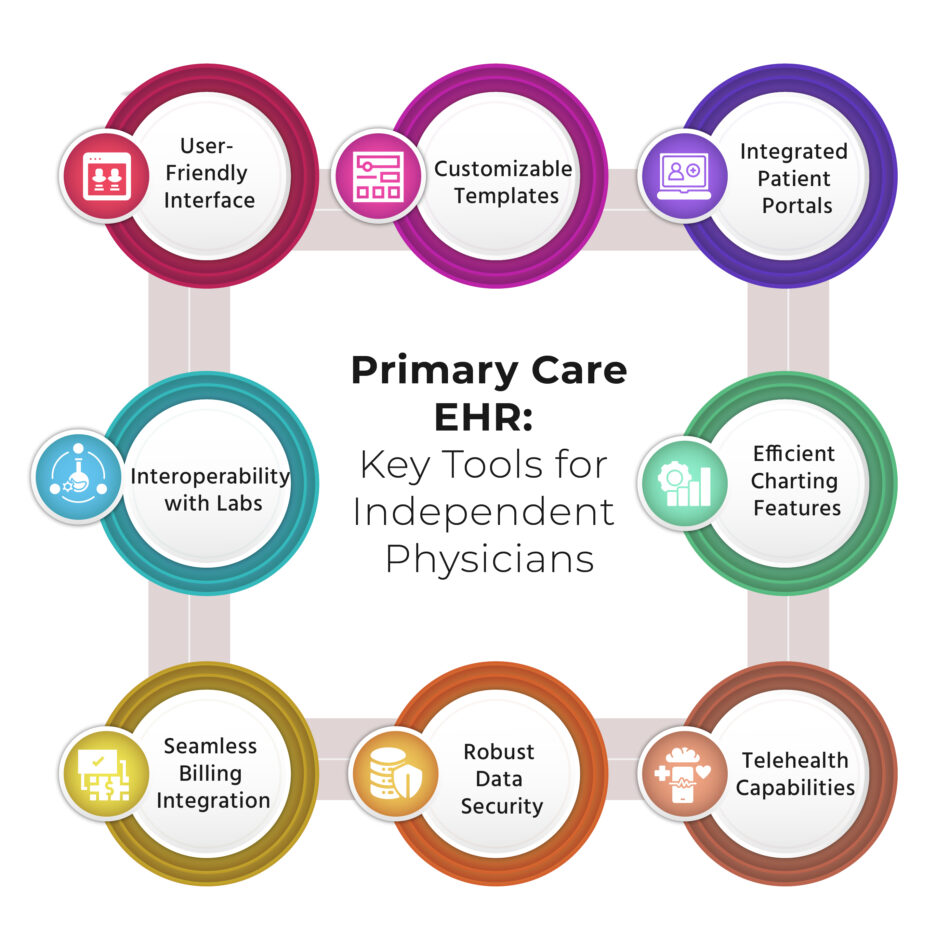
Independent primary care physicians face a very specific reality in 2026: you are expected to deliver high-quality, relationship-based care while also operating a lean business in a market dominated by large health systems, urgent care chains, retail clinics, and telehealth platforms. Patients want convenience, digital access, and fast communication. Payers want clean documentation, accurate coding, and compliance-ready workflows. Staff is expensive and hard to retain. Meanwhile, physicians want to spend less time clicking and typing and more time caring for patients. In this environment, your EHR is not just “software for charting.” It is the operating system of your practice. It determines how you schedule, document, prescribe, order labs, communicate with patients, collect payments, submit claims, manage follow-ups, and track performance. … Read More
EHR Press Releases and Articles
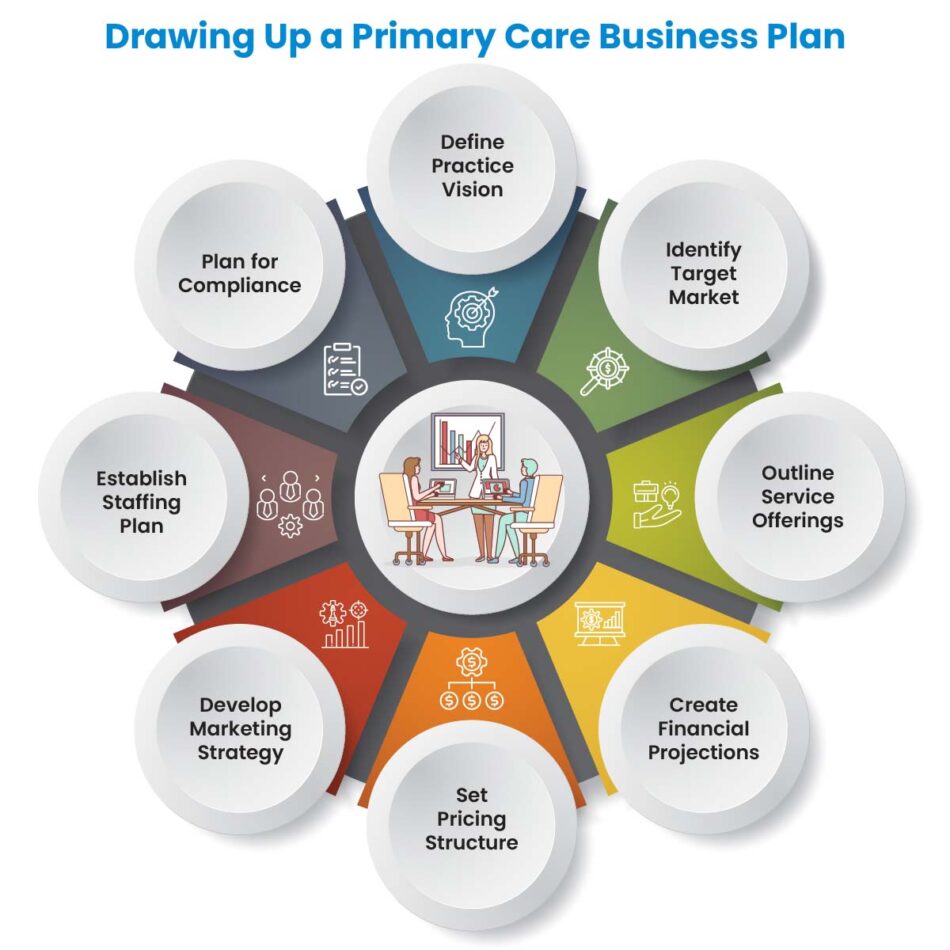
How to Draw Up a Primary Care Business Plan in 2026: Complete Guide for Starting and Scaling a Modern Primary Care Practice
Launching or expanding a primary care practice in 2026 requires more than clinical expertise. It requires strategic planning, financial forecasting, operational design, compliance readiness, marketing execution, and technology selection. Primary care remains the backbone of the healthcare system, but the economics, patient expectations, and regulatory environment have evolved significantly. Independent practices compete with large healthcare systems, retail clinics, urgent care chains, telehealth platforms, and direct primary care models. At the same time, demand for accessible, relationship-based primary care continues to grow. Drawing up a comprehensive primary care business plan is not just a requirement for lenders or investors—it is a roadmap for long-term sustainability … Read More
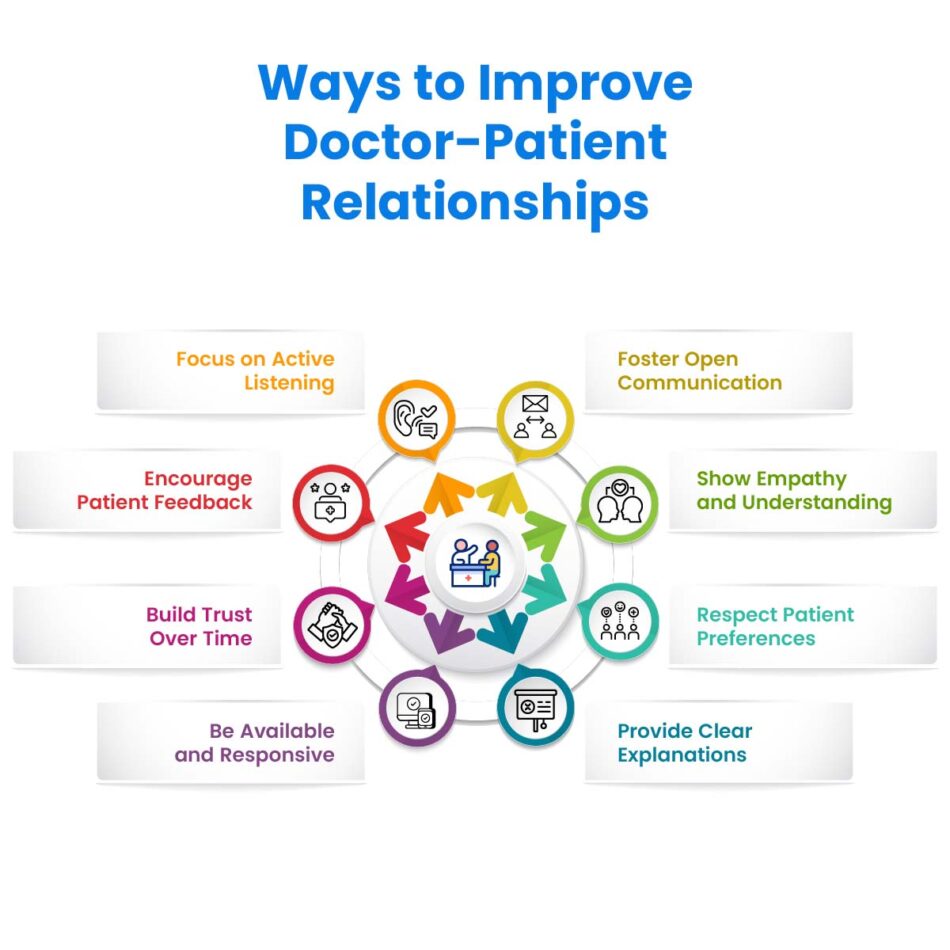
Ways to Improve Doctor-Patient Relationship in 2026: A Complete Guide for Modern Medical Practices
The doctor-patient relationship remains the foundation of healthcare. No matter how advanced technology becomes, no matter how sophisticated diagnostics grow, and no matter how streamlined practice management software evolves, patient trust and communication remain the central drivers of clinical outcomes and long-term practice success. In 2026, however, the dynamics of the doctor-patient relationship have changed dramatically. Patients expect transparency, digital convenience, faster communication, and personalized care. Providers face increasing administrative burden, tighter schedules, compliance pressure, and burnout. The intersection of these realities makes strengthening the doctor-patient relationship both more challenging and more critical than ever. For medical practices looking to grow, retain patients, and improve financial performance, improving the doctor-patient relationship is not simply a soft skill initiative. … Read More
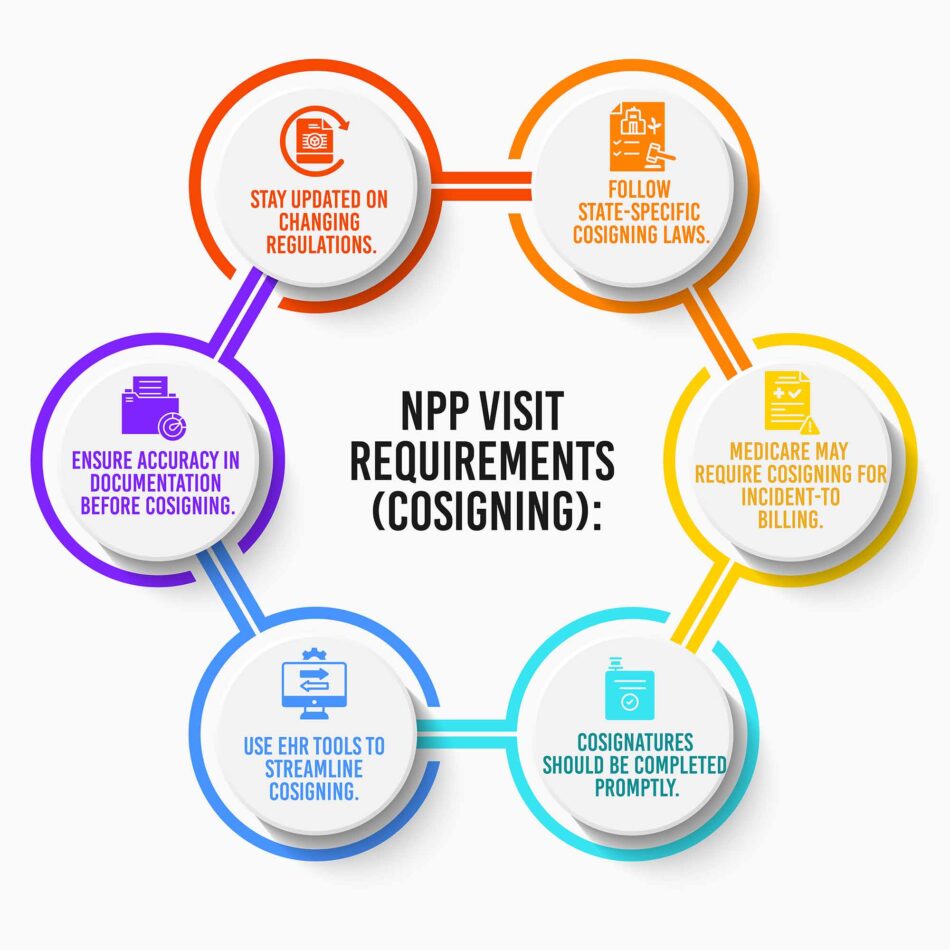
NPP (Nonphysician Practitioner) Co-Sign Requirements in 2026
Nonphysician Practitioners (NPPs)—primarily Nurse Practitioners (NPs) and Physician Assistants (PAs)—are essential to modern healthcare delivery. Across primary care, urgent care, internal medicine, pediatrics, women’s health, behavioral health, orthopedics, pain management, and multispecialty clinics, NPPs play a major role in improving patient access, reducing wait times, expanding service lines, and improving practice growth. As more medical practices depend on NPP-led visits, practices must also modernize their documentation and compliance workflows to ensure oversight, quality control, reimbursement accuracy, and audit readiness. One of the most important—and most frequently misunderstood—requirements in NPP-driven practices is co-signing. Co-signature workflows determine how and when an NPP’s notes, orders, or clinical documentation must be reviewed and signed by a supervising or collaborating physician, medical director, or credentialed provider. In 2026, co-sign requirements remain highly relevant because they impact payer compliance, incident-to billing rules, onboarding and clinical governance policies, hospital or facility credentialing guidelines, malpractice risk management protocols, and state-specific supervision frameworks. This guide explains NPP co-sign requirements, clarifies when co-signatures are legally or operationally required, outlines the difference between state law and payer policy, and shows how DocVilla EHR supports robust co-signer workflows for NPP-based medical practices. The goal of this article is to drive traffic from medical practices and providers researching EHR/EMR and practice management software—especially those looking for compliant, efficient co-signing capabilities in a modern cloud EHR. … Read More
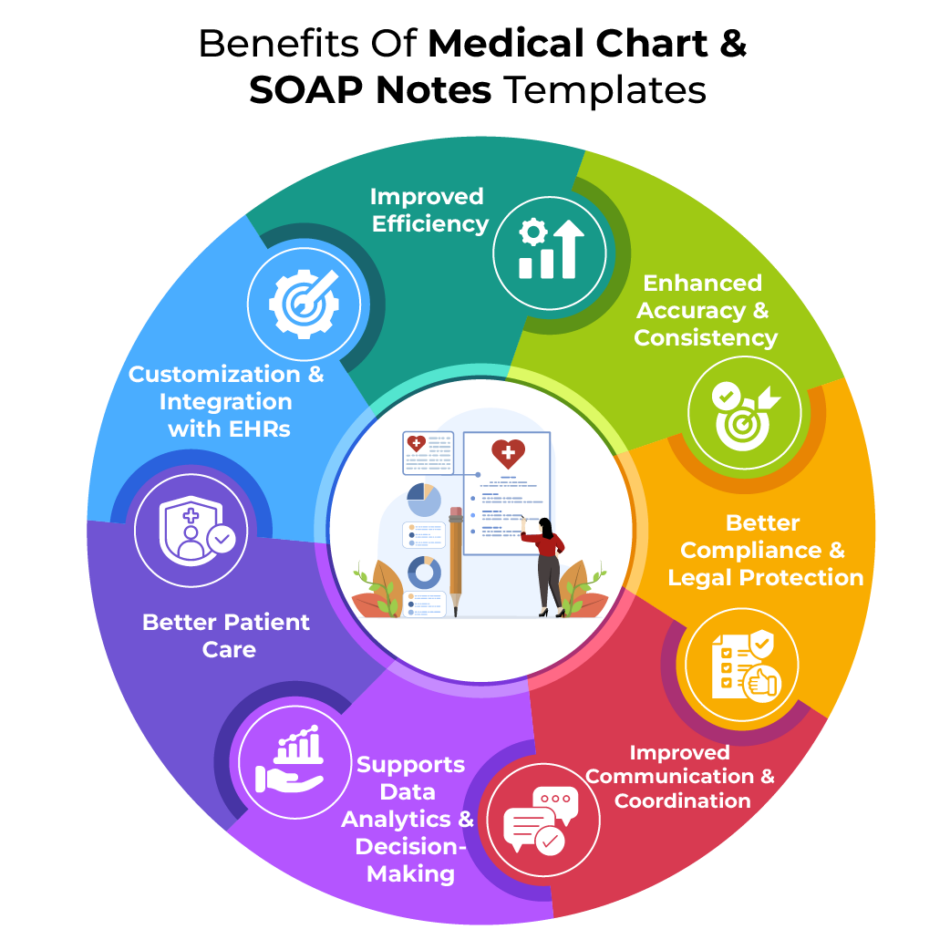
Faster Charting in EHR EMR: How Medical Practices Can Document Visits Quickly Without Sacrificing Quality
Charting is one of the biggest operational challenges in modern healthcare. For most outpatient medical practices, documentation consumes more provider time than any other non-clinical activity. Physicians, nurse practitioners, and clinical staff routinely spend hours each week completing charts after clinic hours. This creates burnout, reduces patient throughput, impacts work-life balance, and slows practice growth. In 2026, faster charting is not just a convenience—it is a competitive advantage. Medical practices that chart faster can see more patients without reducing quality, improve coding accuracy, improve patient communication, and reduce staff stress. The right EHR system can dramatically reduce documentation time by using automation, smart templates, structured data, reusable plan content, integrated orders, and efficient workflows. This guide explains what “faster charting in EHR” really means, why most practices struggle with documentation, how to chart faster without compromising compliance, and which EHR features and workflows have the highest impact. Whether you are opening a clinic, switching EHRs, or trying to optimize existing workflows, this article will help you create a faster, cleaner, and more scalable charting process. … Read More
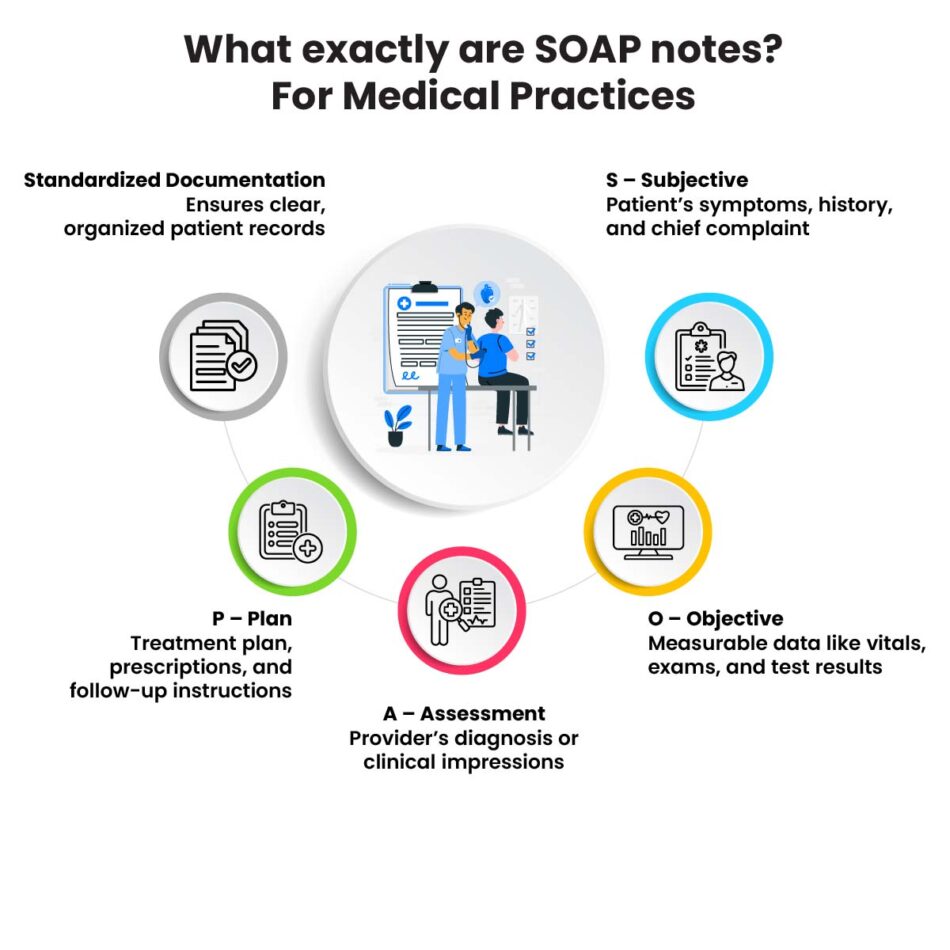
What are SOAP notes for Medical Practices and EHR Users?
SOAP notes are one of the most widely used and most important documentation formats in modern healthcare. Whether you run a primary care clinic, urgent care center, specialty practice, behavioral health clinic, or multi-location medical group, SOAP notes serve as a structured method to document patient encounters clearly, consistently, and in a way that supports clinical decision-making, continuity of care, and reimbursement. In 2026, SOAP notes are more relevant than ever because documentation requirements are increasing, audits are more common, coding standards are stricter, and providers are under pressure to document efficiently without spending hours after clinic completing charts. SOAP notes also play an essential role in EHR/EMR workflows because most EHR systems are built around structured clinical documentation. … Read More
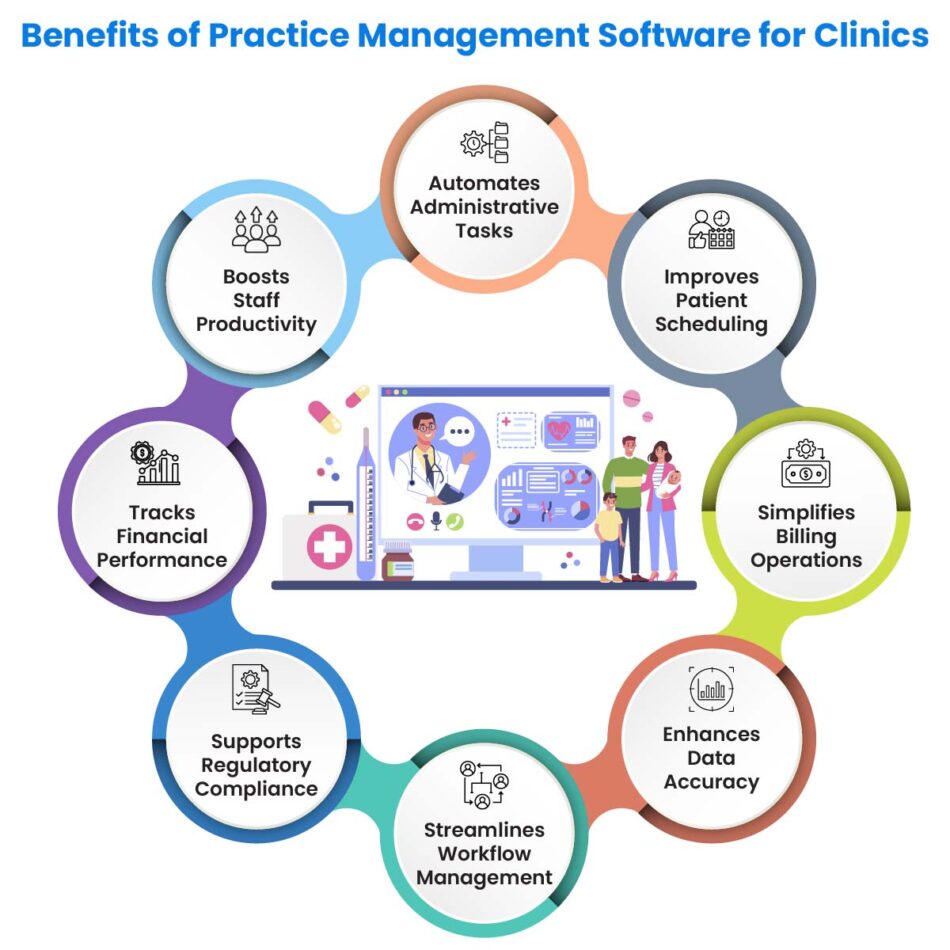
Benefits of Practice Management EHR EMR Software for Clinics
Running a clinic in 2026 is more complex than ever. Medical practices are expected to deliver excellent patient care while also operating like efficient businesses—balancing staffing shortages, rising costs, payer requirements, patient expectations, compliance demands, and constant pressure to improve collections. For many clinics, the biggest operational challenge is not clinical decision-making. It is workflow management: scheduling, intake, communication, billing, eligibility checks, claim follow-ups, patient payments, reporting, and coordination between the front office and clinical teams. … Read More
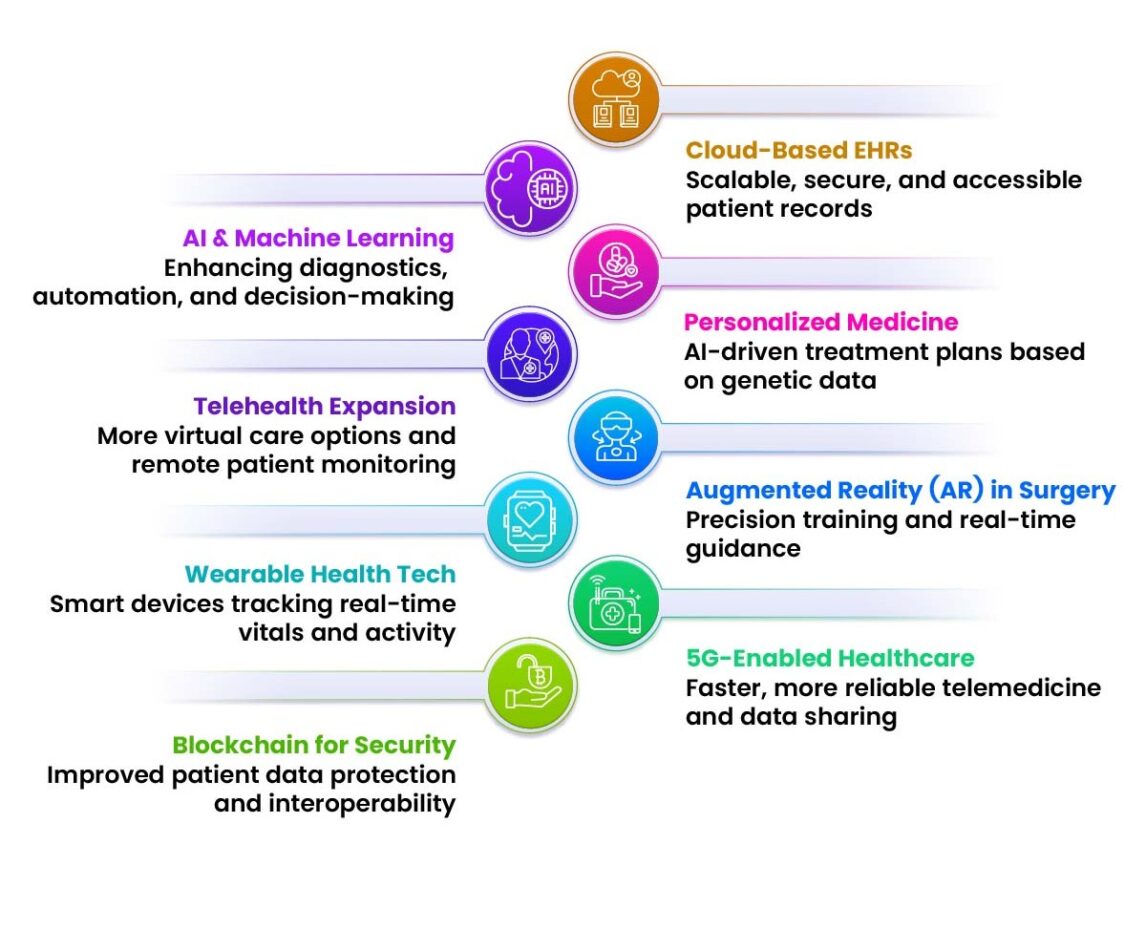
Emerging Healthcare Technology EHR EMR 2026 trends
Healthcare technology is evolving faster than most medical practices can comfortably keep up with. In 2026, technology is no longer simply a “support system” for clinical documentation—it is becoming the backbone of how medical practices operate, communicate with patients, manage revenue, stay compliant, and compete in a market where patients expect retail-like convenience. For independent clinics and growing multi-provider practices, the decisions made in 2026 regarding software and digital tools will directly impact patient retention, operational efficiency, profitability, and long-term scalability. … Read More
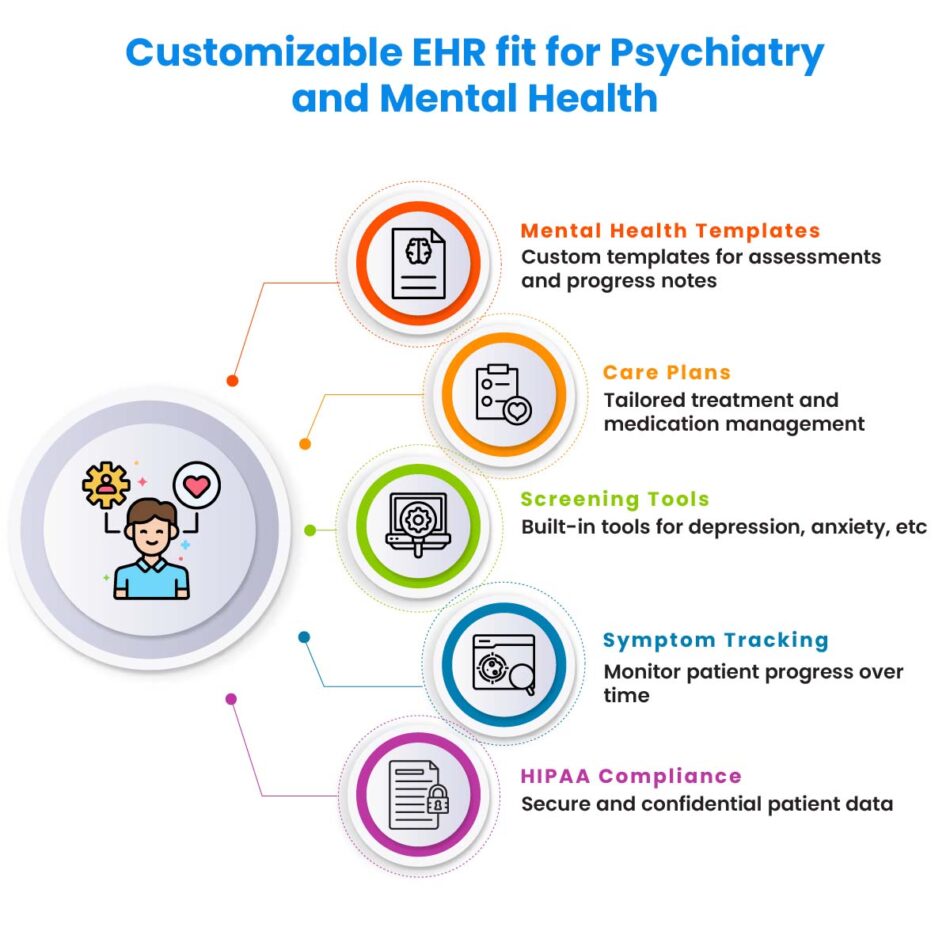
Therapy Notes vs. Progress Notes: What Mental Health Practices Need to Document—and How DocVilla Makes It Easier
Mental health clinicians document care in different note types—most commonly therapy notes (also called psychotherapy notes in some contexts) and progress notes. The distinction matters for clinical quality, legal defensibility, privacy, and billing. This guide explains the practical differences, shows what goes in each note, and outlines a documentation workflow that protects patient privacy while streamlining care and reimbursement—all inside DocVilla’s cloud-based EHR/EMR for behavioral health. … Read More
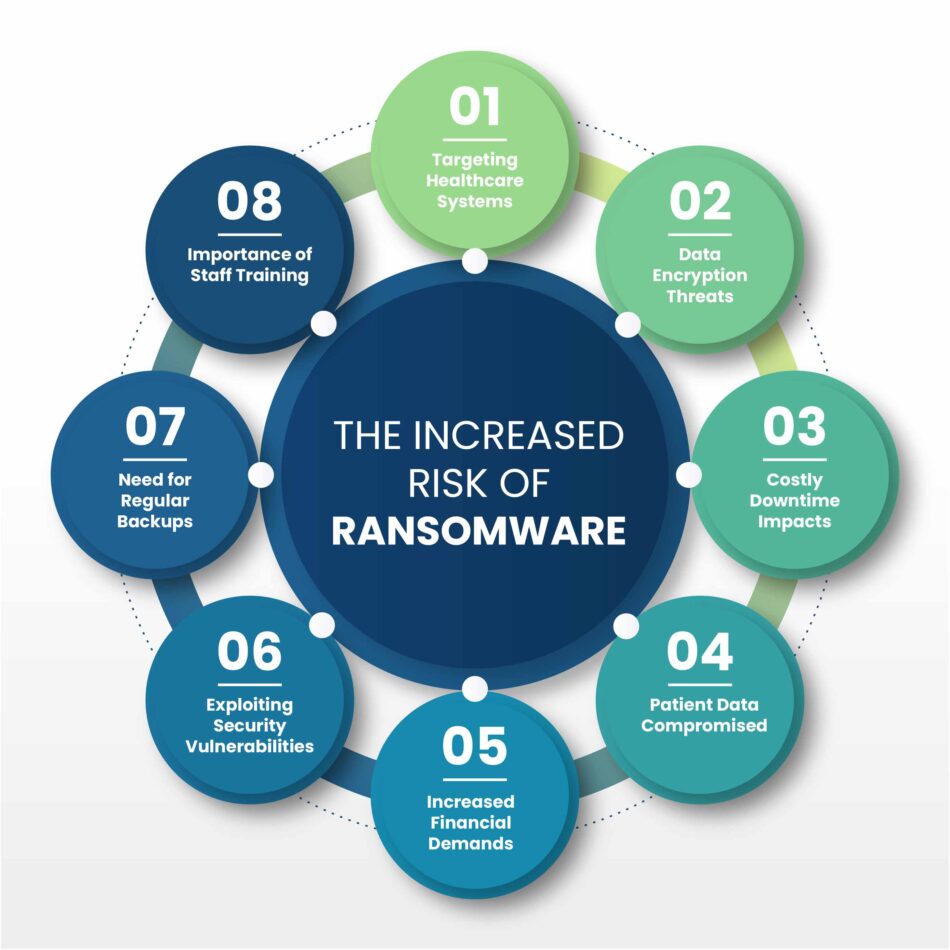
The Increased Risk of Ransomware in Healthcare
Artificial intelligence is fundamentally reshaping healthcare by improving how data is interpreted, decisions are made, and care is delivered. The integration of AI with cloud-based EHR and practice management systems like DocVilla enhances care quality while improving efficiency, accuracy, and patient satisfaction. … Read More